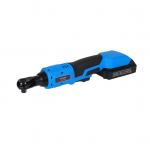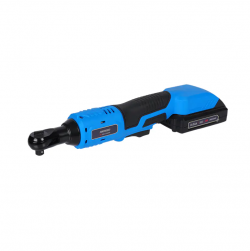
Battery Life vs. Actual Usage Time in Cordless Ratchet Wrenches
Understanding the Distinction Between Specifications and Practice
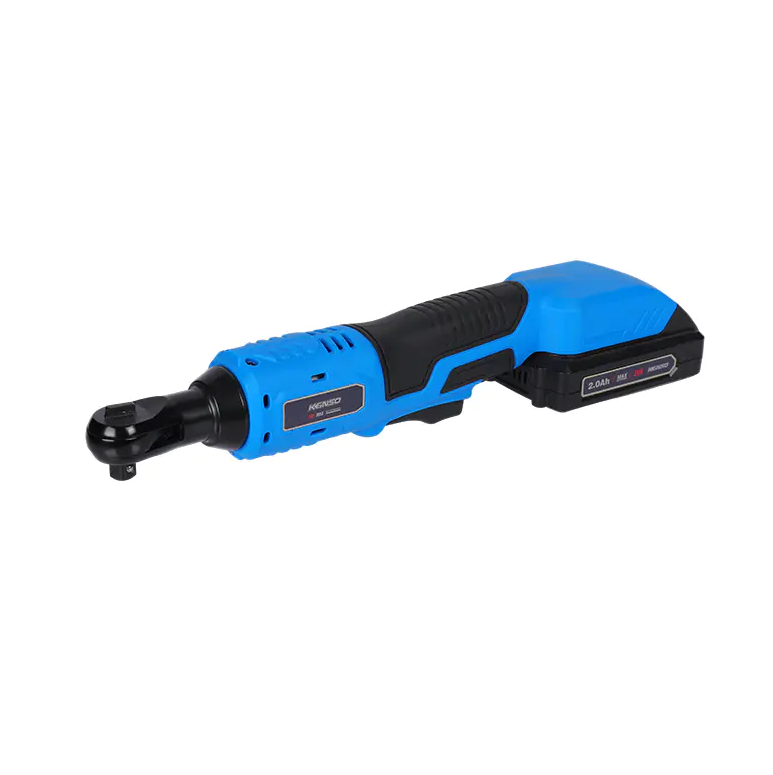
The rated battery life (often in amp-hours, Ah) and the actual usable time on a job are related but distinct concepts for a cordless ratchet wrench. Battery life indicates total energy capacity, while usage time depends entirely on how that energy is consumed—a dynamic dictated by the tool’s motor, the task’s demands, and user behavior. For a professional mechanic or DIYer, understanding this relationship is more practical than the Ah rating alone.
The Impact of Duty Cycle: Intermittent vs. Continuous Use
A cordless ratchet wrench is primarily an intermittent-use tool. Unlike a drill or saw that may run continuously for minutes, a ratchet is typically engaged in short bursts: running down a fastener for a few seconds, pausing to reposition, then running again. This sporadic duty cycle means the actual “trigger-on” time over an hour might be quite low, even if the tool is in hand for a long job. Therefore, a battery with a moderate Ah rating can support a full workday of actual mechanic work because the motor is not drawing current continuously.
Motor Load and Torque Demand: The Biggest Drain
The single greatest factor shortening usage time is high load on the motor. When the cordless ratchet wrench is spinning freely or driving an unseated bolt, it draws minimal current. However, when it encounters high thread friction, a rusty fastener, or reaches final tightening, the motor draws significantly more amps to produce higher torque. Frequent high-load scenarios will deplete the battery much faster than a session of light-duty assembly work. The efficiency of the brushless motor in a cordless ratchet wrench is crucial here, as it manages this load more efficiently than a brushed equivalent.