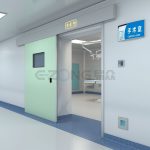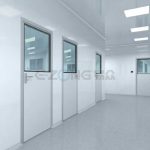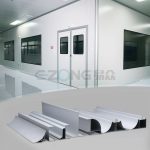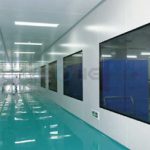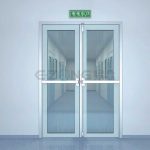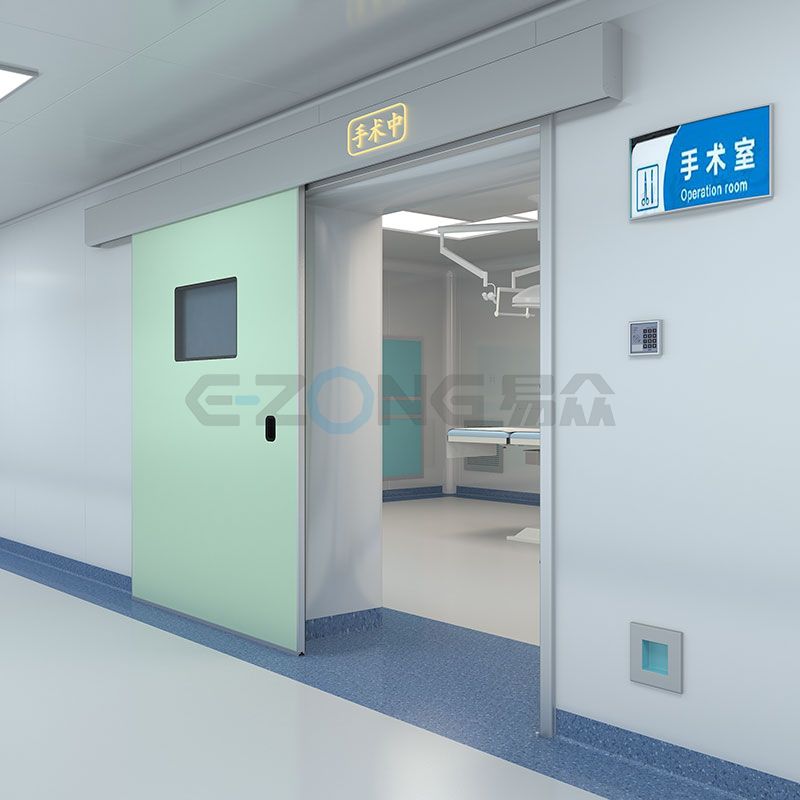
air tight sliding door
https://www.yizhongalu.com/product-medical-airtight-door.html
air tight Sliding Door
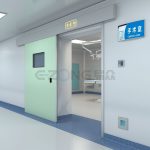
An Air Tight Sliding Door, also known as a hermetic door, is a type of airtight door design to provide a high level of air sealing when closed. It is engineered to minimize air leakage between two spaces, ensuring a tight seal to prevent the transfer of air, contaminants, sound, or temperature.
Here are some key points about air tight door:
Air Sealing: The primary purpose of an air tight sliding door is to create a barrier that effectively seals off one area from another to prevent air infiltration or exfiltration. It is commonly used in environments where maintaining specific conditions, such as pressure differentials, temperature control, or cleanliness, is critical.
Construction: airtight doors are constructed using materials and designs that minimize gaps, cracks, or seams that could allow air leakage. They are typically made from sturdy materials such as metal, wood, or composite materials and are engineered with features such as gaskets, seals, or specialized closing mechanisms to achieve a high level of airtightness.
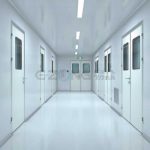
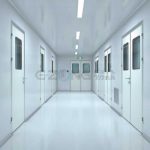
Applications: Air tight sliding door find applications in a variety of industries and settings. They are commonly used in cleanrooms, laboratories, pharmaceutical facilities, food processing areas, manufacturing plants, server rooms, containment areas, and other controlled environments where maintaining air quality, sterility, or specific environmental conditions is crucial.
Energy Efficiency: Air tight sliding doors contribute to energy efficiency by minimizing air leakage and reducing the load on heating, ventilation, and air conditioning (HVAC) systems. They help prevent the loss of conditioned air and the ingress of outdoor air, resulting in improved energy conservation and lower utility costs.
Sound Insulation: Along with air sealing properties, airtight doors often provide sound insulation benefits. They help reduce noise transmission between spaces, creating a quieter environment and maintaining privacy in areas where sound isolation is required, such as recording studios, conference rooms, or medical facilities.
Safety and Security: Airtight doors can also enhance safety and security by preventing the spread of fire, smoke, or hazardous substances between compartments. They may be equipped with fire-resistant materials, smoke seals, or additional safety features to comply with fire codes and enhance occupant safety.
Maintenance: Proper maintenance of airtight doors is important to ensure their continued functionality and effectiveness. Regular inspections, cleaning, and lubrication of seals, hinges, and closing mechanisms can help maintain the airtight seal and extend the door’s lifespan.