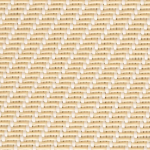
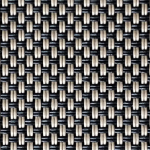
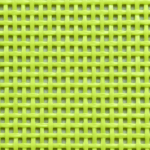
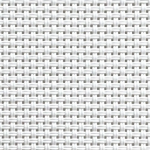
Black Sunscreen Solar Mesh: High-Performance Shading with Sleek Modern Aesthetics
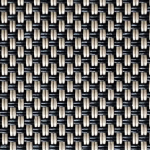
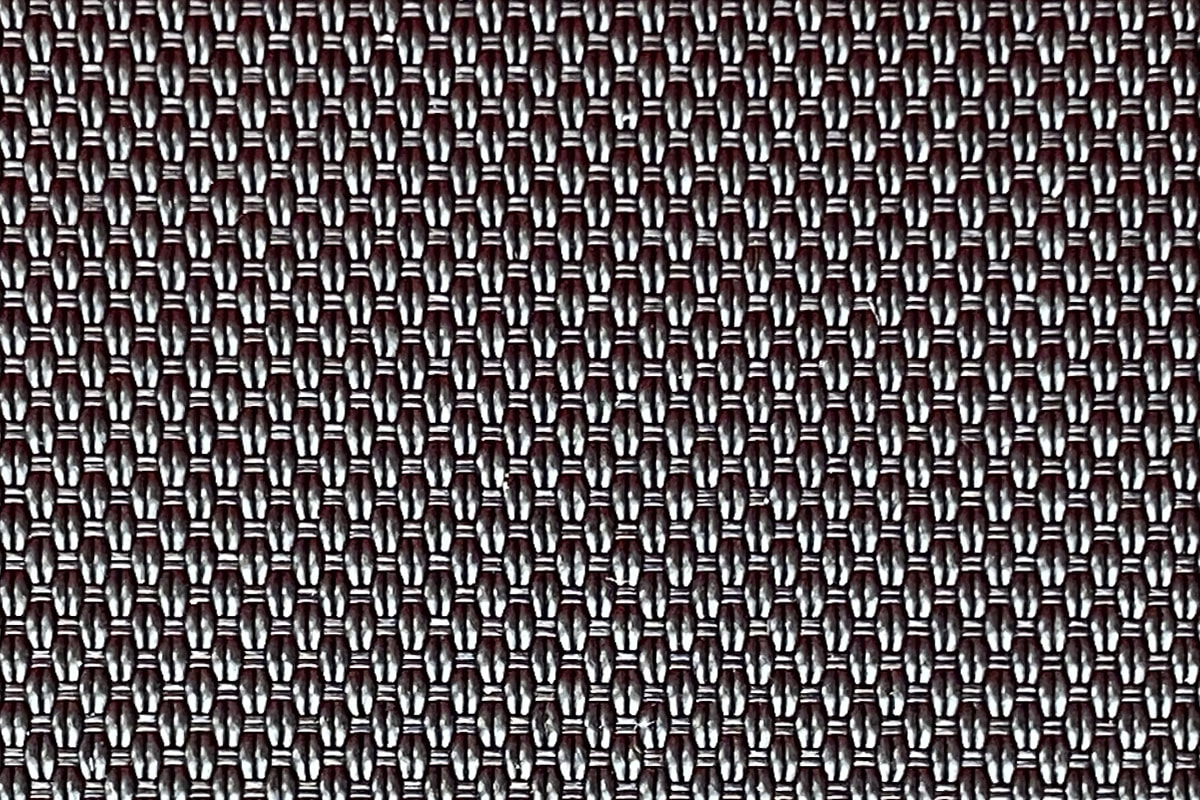
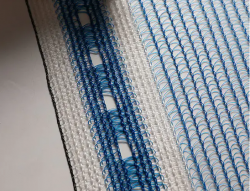
A premium black sunscreen solar mesh delivers exceptional solar control, glare reduction, and thermal comfort while offering a sleek, modern aesthetic that complements contemporary building designs. Engineered from high-strength PVC-coated polyester or fiberglass yarns woven in an open mesh construction, this fabric effectively blocks up to 70-95% of solar radiation, significantly reducing heat gain and cooling costs in residential, commercial, and institutional buildings. The black coloration enhances visual clarity through the mesh, minimizing reflective glare and providing clear outward visibility even in brightly lit conditions. Its specialized coating, formulated with UV stabilizers and heat-reflective additives, ensures long-term resistance to fading, cracking, and degradation under intense sunlight exposure. The open weave design promotes natural ventilation, reducing the need for air conditioning while maintaining daylight penetration. Available in various openness factors (typically 1% to 10%), black sunscreen solar mesh adapts to different shading requirements—from partial light filtering to near-total blackout—without compromising the building’s architectural integrity. Whether specified for curtain-wall facades, exterior awnings, skylights, interior roller shades, or patio coverings, this versatile fabric provides a sophisticated, high-performance solution for sustainable building design.
Manufacturing at a specialized facility begins with sourcing high-tenacity polyester or fiberglass yarns, selected for their tensile strength, minimal elongation, and compatibility with PVC coating. These yarns are pre-treated to enhance adhesion, then woven on advanced looms using precision plain or leno weaves to achieve consistent openness and structural stability. The woven base fabric undergoes a dip-coating or calendar-coating process, where it is saturated with a specially formulated black PVC compound blended with UV inhibitors, infrared-reflective pigments, and heat stabilizers. This coating penetrates the yarn bundles, encapsulating each fiber and creating a uniform, durable surface that resists abrasion, moisture, and chemical exposure. After coating, the fabric passes through multi-zone ovens for controlled curing, allowing the PVC to fully bond with the yarns while maintaining precise openness. The finished fabric is cooled, inspected for uniformity, and wound onto rolls. Additional finishing processes such as heat-setting ensure the fabric remains flat and stable during installation, while anti-fray treatments prevent edge unraveling during cutting and fabrication.
Quality control at the factory includes incoming material testing for yarn tensile strength, elongation, and UV stability, as well as compound analysis for viscosity, thermal stability, and pigmentation consistency. In-process inspections use automated optical systems to verify weave uniformity, openness factor accuracy, and coating thickness. Finished fabric undergoes solar reflectance (TSR), UV blocking efficiency, and infrared rejection testing using spectrophotometers and pyranometers. Tensile and tear strength tests confirm mechanical durability, while flame retardancy is verified per NFPA 701 or ASTM E84 standards. Colorfastness and resistance to fading are assessed through accelerated UV weathering tests, and overall appearance is inspected under controlled lighting conditions. The facility operates under ISO 9001 quality management systems, with full traceability from raw material sourcing to finished rolls, ensuring consistent quality and performance across every production batch.