Black Wood 2B Graphite Pencils Gain Favor in Art, Education, and Promotional Sectors
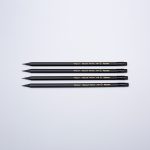
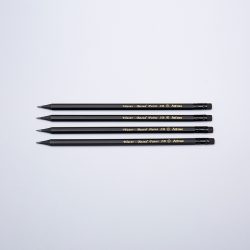
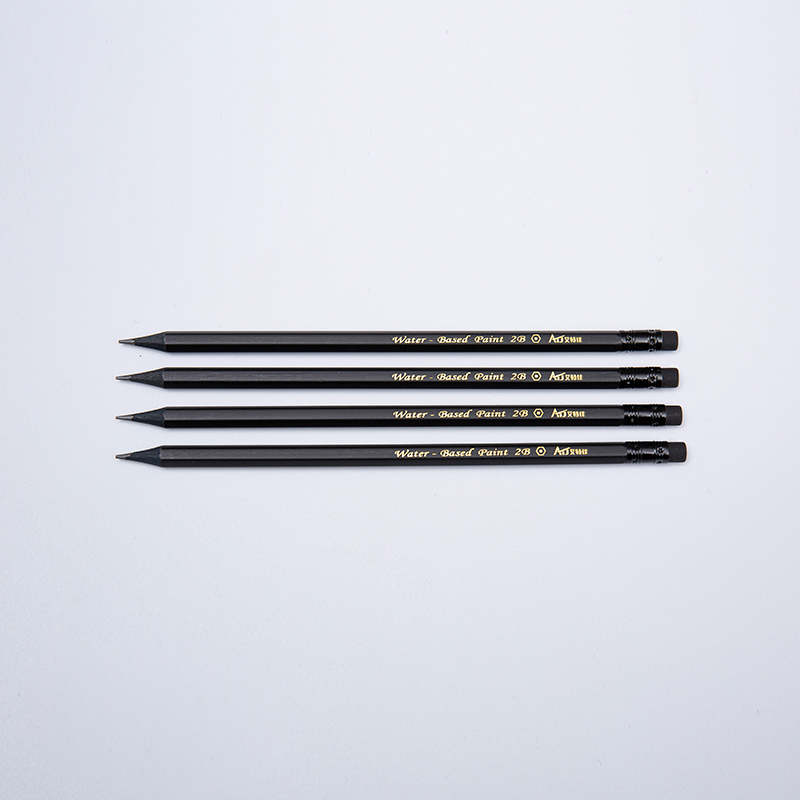
Black wood 2B graphite pencils have carved out a distinctive position in the writing instrument market, with manufacturers noting sustained interest from art supply retailers, educational institutions, and corporate promotional buyers. These pencils feature dark-stained or naturally dark-colored wood casings that enclose a 2B-grade graphite core, offering a balance of smooth application and moderate smudge resistance that appeals to diverse user groups. The black wood finish sets these pencils apart visually from traditional yellow or natural wood pencils, providing a more understated, contemporary appearance that has resonated with design-conscious consumers. While the overall pencil market remains large and mature, the black wood 2B segment has shown consistent performance through routine replacement cycles and specialized orders.
The manufacturing process for black wood 2B graphite pencils involves multiple stages where the deep wood color and graphite formulation require careful control. Wood slats, typically sourced from softwoods such as poplar, linden, or incense cedar, undergo a staining or impregnation process that penetrates the wood fibers to achieve consistent dark coloration throughout the casing. This step must balance color depth with adequate strength retention, as excessive treatment can make the wood brittle or affect the sharpening characteristics that users value. Following the coloration stage, grooves are milled into the slats to receive the pre-formed 2B graphite leads, which are bonded in place using adhesives that must maintain strength through the subsequent pressing and shaping stages. The pencils are then shaped into hexagonal or round profiles, finished with coatings that enhance appearance and handling comfort.
The 2B graphite formulation presents specific production considerations for manufacturers of black wood 2B graphite pencils, as this grade sits between softer B and harder HB grades in the standard hardness scale. The clay-to-graphite ratio must be maintained with precision to deliver the smooth, dark line that 2B users expect while minimizing lead breakage during sharpening and writing. Manufacturers have refined their mixing and extrusion processes to achieve consistent dispersion of graphite particles, reducing the incidence of hard spots or weak points that can cause irregular line quality or premature lead fracture. Quality assurance measures at this stage include lead hardness testing and break-resistance checks that ensure each batch meets the specified performance characteristics.
Market positioning for black wood 2B graphite pencils varies across distribution channels, with art supply retailers emphasizing the pencil’s suitability for sketching, shading, and detailed drawing work. The dark wood casing is often marketed as a premium or professional aesthetic, and manufacturers have supported this positioning through packaging designs that highlight the product’s visual distinctiveness. In educational settings, the 2B grade is commonly specified for certain examination requirements or as a general classroom writing tool, with the black wood finish sometimes selected for its professional appearance in school kits. Promotional buyers, meanwhile, have favored black wood 2B pencils for corporate giveaways and branded merchandise, as the dark finish provides a neutral backdrop for foil stamping or imprinting.