Black Wood 2B Graphite Pencils: Slat Staining and Core Bond Define Appearance and Break Resistance
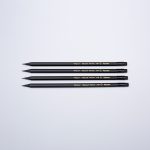
Black wood 2B graphite pencils are writing instruments with a dark-stained wooden barrel and a graphite core formulated to the 2B grade, which deposits a darker mark with less pressure than harder grades. The black wood barrel gives the pencil a distinctive appearance that suits exam use, sketching, and promotional sets. The pencil’s performance depends on two specifications that buyers weigh heavily: the slat staining and the core bond. Those two factors determine whether the barrel holds its appearance and whether the core stays centered through sharpening.
Slat staining is the specification that determines the barrel’s appearance and its durability. The wood slats are stained before assembly, and the stain must penetrate evenly without leaving streaks or lighter patches. A stain that is too light shows the natural wood grain, which defeats the purpose of the black finish. One that is applied unevenly produces a barrel with visible variation. The stain must also be compatible with the lacquer that is applied afterward, because a stain that does not bond to the lacquer peels or discolors. Factories that control the staining process and that verify the color consistency produce pencils with a uniform barrel.
Core bond is the specification that determines whether the 2B core stays in place. The 2B graphite is softer than harder grades, which means it is more prone to breaking if the bond to the wood is weak or if the core is off-center. The adhesive must bond to both the wood and the graphite, and the slats must be pressed evenly so that the core is surrounded by wood of uniform thickness. A pencil with a weak bond breaks at the tip during sharpening or use. Factories that control the adhesive application and the pressing pressure produce pencils that resist breakage.
The graphite formulation affects both the marking darkness and the core’s strength. The 2B grade requires a specific ratio of graphite to clay, and the particle size affects how the pencil writes and how it sharpens. A formulation that is too soft deposits a heavy mark but breaks easily. One that is too hard does not meet the 2B specification. Factories that control the formulation and the firing produce cores that meet the grade.
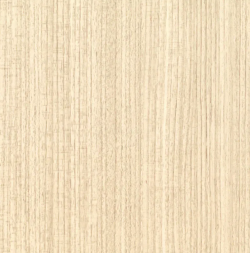
The wood species affects both the barrel’s appearance and its sharpening behavior. A wood that is too soft dents easily and does not hold the stain evenly. One that is too hard is difficult to sharpen. Factories that specify the wood species and its moisture content produce pencils that hold up.
The lacquer and the printing affect the pencil’s appearance and its durability. The lacquer must adhere to the stained wood and resist chipping. The print must be legible and must not rub off. Factories that control the lacquer application and the printing produce pencils that maintain their appearance.
The market implication is that black wood 2B graphite pencils compete on slat staining and core bond rather than on the graphite grade alone. As exam boards, art suppliers, and promotional buyers look for pencils that look distinctive and sharpen without breaking, suppliers who treat the stain and the core as connected production requirements are better positioned than those who compete on price alone.