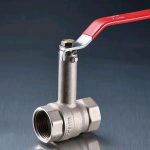
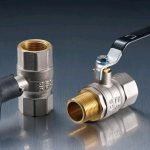
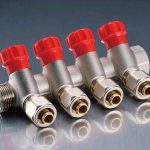
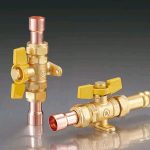
Brass Mini Ball Valve Manufacturers Support Compact Fluid Control Applications
Brass mini ball valves are used in applications where space is limited, such as pneumatic systems, instrumentation panels, medical devices, and beverage dispensing equipment. These compact valves provide reliable shutoff and flow control in a fraction of the space required by standard-sized ball valves. Brass mini ball valve manufacturers focus on precision machining, reliable sealing, and ease of operation. The small size of these valves presents unique manufacturing challenges, particularly in maintaining dimensional accuracy and consistent sealing performance.
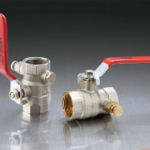
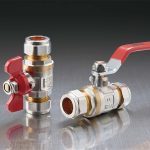
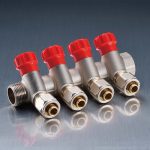
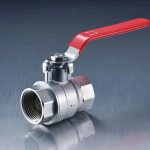
The design of a brass mini ball valve includes a machined brass body, a chrome-plated or stainless steel ball, PTFE seats, and a stem seal. The ball is drilled with a bore that aligns with the flow path in the open position. The PTFE seats provide low friction and tight sealing. The stem seal prevents external leakage. The handle is typically a small lever or T-handle that provides visual indication of valve position. The valve body is available with threaded, push-to-connect, or compression fittings.
The manufacturing process for brass mini ball valves begins with machining the brass body from bar stock or forgings. The ball is machined and polished to achieve a smooth sealing surface. The valve is assembled with PTFE seats and stem seals. The valve is tested for leakage and pressure integrity. Quality control includes dimensional inspection, material verification, and pressure testing. Some manufacturers offer valves with colored handles or locking devices for specific applications.
The market for brass mini ball valves includes pneumatic system builders, instrumentation suppliers, medical device manufacturers, and beverage equipment producers. The demand is driven by the need for compact, reliable flow control in space-constrained applications. Brass mini ball valves are available in a range of sizes, typically from 1/8 inch to 1/2 inch. Manufacturers continue to focus on improving sealing performance and ease of operation.