Clutch slave cylinder: hydraulic magic explained
Every manual transmission relies on a clutch slave cylinder somewhere in its hydraulic chain. This component translates fluid pressure into mechanical movement, allowing smooth gear changes without Herculean leg strength. Without it, driving stick becomes an exhausting workout.
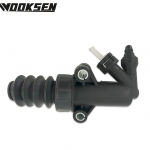
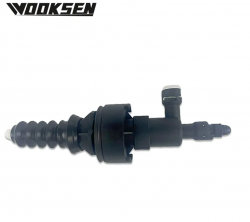
Two main designs dominate: external and internal clutch slave cylinder configurations. External versions bolt to the transmission bell housing, visible and replaceable. Internal varieties sit inside the bell housing, concentric around the input shaft, requiring transmission removal for service. Guess which one mechanics prefer?
Hydraulic fluid travels from the master cylinder through metal lines and flexible hoses, arriving at the clutch slave cylinder under pressure. Inside, seals contain that pressure, forcing a piston to move a push rod or bearing directly. Release the pedal, springs return everything home.