CNC Double Column Horizontal Band Sawing Machines: The Column Alignment Decides the Square
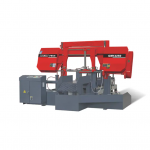
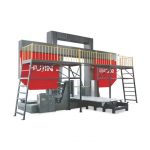
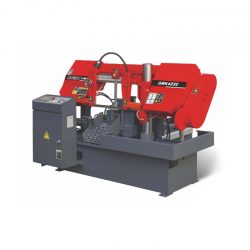
CNC double column horizontal band sawing machines are used in steel service centers, heavy fabrication shops, and production facilities to cut large bars, billets, and structural sections to length. Buyers compare cutting capacity, motor power, and CNC features. The specification that decides whether the cut is square over the full height of a large section is the column alignment, and it is the part of the machine the buyer evaluates least.
The double-column design supports the saw head on two rigid columns rather than a single pivot. The columns must be aligned so that the head travels in a plane that is perpendicular to the workpiece. If the columns are out of alignment, the blade tilts as it descends, and the cut is square at the top of the section and off at the bottom. The error is invisible on a small test piece and obvious on a large billet.
The column alignment is set at assembly and verified with a reference standard. The alignment must be maintained through the machine’s life, which depends on the rigidity of the columns and the foundation. A machine that is installed on an inadequate foundation deflects under load, which changes the alignment. Factories that specify the foundation requirements and that provide alignment verification procedures produce machines that cut square.
The column guides affect the head’s travel. A guide that is worn or that is not preloaded allows the head to tilt under the cutting force. A guide that is too tight creates friction and wear. Factories that design the guide for the cutting load and that provide an adjustment procedure produce machines that maintain their alignment.
The blade guide and the tension affect the cut in the same way as on a single-column machine, but the double-column geometry amplifies any error. A blade that deflects on a double-column machine produces a cut that is off over the full height. Factories that design the blade guide close to the cut produce machines that cut straight.
The CNC control affects the machine’s productivity and its repeatability. A control that positions the stock accurately and that compensates for blade wear produces consistent cuts. A control that is not matched to the machine’s mechanics produces cuts that vary.
The practical question for a buyer is not the cutting capacity or the CNC features. It is how the columns are aligned and how the alignment is maintained. That answer decides whether the cut is square over the full section. A machine that cuts square on a small bar and drifts on a large billet was installed without the foundation and the alignment procedure the design requires.