CNC Machine Travel
CNC Machine Travel
https://www.lyymachine.com/news/why-cnc-travel-does-not-equal-maximum-workpiece-size.html
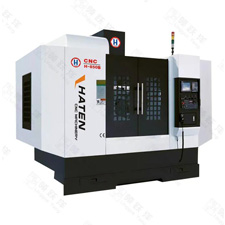
When selecting a box way machining center, many buyers begin by comparing the X, Y and Z travel listed in the machine specifications.
For example, if a machine provides an X-axis travel of 800 mm, it may appear suitable for an 800 mm-long workpiece. However, CNC machine travel does not directly represent the maximum workpiece size that can be machined safely and completely.
The actual machining capacity is affected by the fixture, clamping position, tool diameter, tool holder, spindle clearance, machining direction and any rotary table installed on the machine.
Ignoring these factors can result in purchasing a machine that looks large enough on paper but cannot complete the required process in one setup.
This guide explains how industrial buyers should evaluate the real working envelope of a box way machining center before placing an order.
What Does CNC Machine Travel Mean?
CNC machine travel describes the maximum movement range of the machine axes.
On a standard three-axis vertical machining center:
The X-axis controls left-to-right movement.
The Y-axis controls front-to-back movement.
The Z-axis controls vertical movement between the spindle and workpiece.
A machine with 800 × 500 × 600 mm X/Y/Z travel allows its controlled axes to move within those specified distances.
However, this does not automatically mean the machine can process an 800 × 500 × 600 mm solid workpiece on every surface.
Travel describes axis movement. Workpiece capacity describes whether the component, fixture, tools and machining operations can all fit within the machine without interference.
Machine-tool manufacturers therefore often publish maximum workpiece dimensions separately from axis travel rather than treating the two specifications as identical.