Common Electrical Oversights After Buying a House
Years of walking into “move-in ready” homes reveal a familiar pattern: buyers obsess over paint shades and furniture placement, then completely forget about what’s running behind the walls. That’s not laziness — wiring simply doesn’t announce itself the way a water stain on the ceiling does. A house can look flawless and still be sitting on a panel that’s twenty years past its prime. Anyone who has recently bought a place in Dubai benefits from getting an Electrician Dubai to look things over; this isn’t an overcautious move. It’s usually the one step that gets skipped, and the one step most buyers regret skipping six months later.
Why Buyers Skip the Electrical Check (And Pay for It Later)
Most people assume that if the lights come on, the wiring must be fine. That logic falls apart fast once witnessing what’s actually behind some of these walls.
General home inspections tend to focus on cracks, leaks, and visible damage — not on what’s tucked inside the wiring. Sellers also aren’t exactly forthcoming about electrical work done without permits or proper documentation. And the trickiest part? Faults like loose connections or aging insulation don’t show symptoms right away. Such issues build quietly, sometimes for months, before anything goes wrong.
Small Warning Signs Add Up
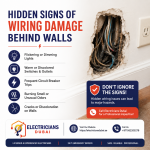
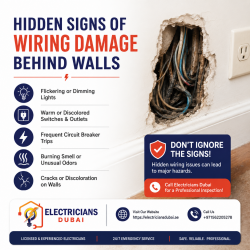
A switch that feels slightly warm. A breaker that trips a bit too often. None of these screams “emergency,” which is exactly why such signals get ignored until the problem stops being minor.
The Oversights We Run Into Constantly
Nobody Bothered to Check the Wiring’s Age
A property built fifteen or twenty years ago got wired for a different lifestyle — fewer appliances, less load, no smart home setups. Push today’s demands through that old system, and something eventually gives out. This is usually the first thing flagged when discussing Electrical Rewiring Requirements with homeowners. Older properties almost always need some level of upgrade before becoming genuinely safe for modern use.
The Distribution Panel Gets Zero Attention
Tucked away in a cupboard or utility room, the panel rarely gets a second look. But rust, scorch marks, or breakers that feel loose to the touch deserve serious attention — not dismissal.
A few signs worth watching for:
Lights flicker whenever a heavy appliance kicks on
A panel that feels noticeably warm
Breakers tripping with no clear trigger
Outlets Never Actually Get Tested
A socket can look perfectly normal and still be a problem. Kitchens and bathrooms in particular need GFCI protection near water sources, and a surprising number of resale homes in Dubai simply lack it.
Grounding Issues Hide in Plain Sight
Poor grounding stays invisible to the naked eye, which is precisely why so many buyers walk right past it. Left unchecked, the issue raises the risk of shocks and can slowly wear down appliances without anyone realizing why.
Compliance With Current Codes Isn’t Verified
A home that met DEWA standards a decade ago might not pass today. That gap tends to surface at the worst possible time — during an insurance claim, or while trying to sell, when a buyer’s inspector flags it.
What Electrical Rewiring Requirements Actually Look Like in Practice
Hearing “rewiring” usually conjures images of months of disruption. In reality, that’s rarely how it plays out.
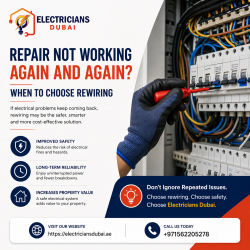
Sometimes just one or two circuits cause trouble, not the entire house. What’s actually needed depends on the property’s age, any past renovation work, and how much load the home is expected to carry now. After an assessment, most homes fall into one of three categories: full rewiring, partial rewiring in specific problem areas, or simply a panel upgrade. Whatever the outcome, getting the scope and cost in writing matters before anyone touches a wire.
A Few Things Worth Doing Before You Fully Settle In
Before putting every electrical appliance to use, get the home’s wiring inspected to confirm it’s safe and capable of handling the load. If any outdated or damaged wiring turns up, Electrical Rewiring should be completed as soon as possible to prevent future electrical problems. Keep the inspection report somewhere safe, since it holds real value for future repairs, maintenance, or eventually selling the home.
FAQs
1. How soon after buying a house should I get an electrical inspection?
Within the first month works best, ideally before regular appliance use starts putting real strain on the system.
2. What signs suggest a house might need rewiring?
Frequent breaker trips, flickering lights, warm outlets, or a faint burning smell all deserve action, not avoidance.
3. Does rewiring always mean redoing the entire house?
Not necessarily. Many homes only need specific circuits or rooms addressed rather than a full rewire.
4. Can old or unsafe wiring affect my home insurance?
Yes — insurers sometimes reject claims or raise premiums when the wiring doesn’t meet current safety standards.
5. How do I find a reliable Electrician Dubai?
Look for DEWA certification, genuine reviews, and a clear written quote before any work begins.
Conclusion
A new house should feel like a clean slate, not a ticking list of hidden problems. The oversights above are easy to miss amid the excitement of moving in, yet they rarely stay cheap to fix once turning into actual issues. If something feels slightly off, or genuine peace of mind sounds appealing, getting someone qualified to take a proper look is worth the effort. Electricians Dubai handles everything from first inspections through to complete rewiring work, shaped around what each specific property needs. Talk to a trusted Electrician Dubai before unpacking the last box — it’s a small step that prevents a much bigger one later.