Copper Forging Guide
Copper Forging Guide
https://www.runchiforging.com/productstags/copper-forging-guide.html
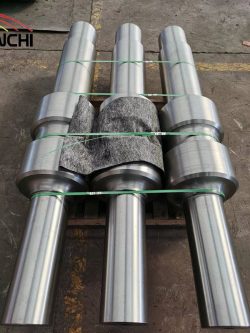
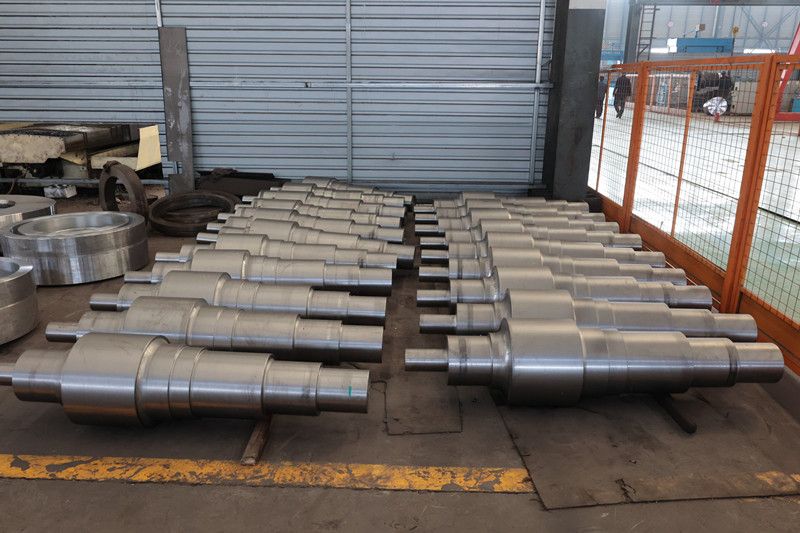
High-end metal forgings are critical components in advanced industries, where performance, precision, and reliability are non-negotiable. Runchi specializes in producing premium forged copper parts that meet the exacting demands of aerospace, automotive, electronics, power generation, and industrial applications. By leveraging advanced forging techniques, Runchi delivers components with superior strength, corrosion resistance, electrical and thermal conductivity, and dimensional accuracy, making them ideal for high-performance and high-reliability applications.
Copper, one of the earliest metals used by humans, has been applied for over 10,000 years due to its excellent workability, conductivity, and corrosion resistance. Its natural abundance and relatively low melting point make it highly suitable for forging, a process that allows precise shaping and refined internal structure, which is essential for high-end metal components.
Runchi’s copper forgings combine the benefits of traditional metallurgical expertise with modern production technology, ensuring that each component delivers maximum performance and durability in demanding environments. This guide explores the copper forging process, commonly used alloys, work-hardening and annealing, properties, and applications for high-end forged components.
Types of Copper Alloys Used in Forging
Copper can be forged in various alloys, each offering unique properties suited to high-end applications:
Brass (Copper-Zinc): Highly corrosion-resistant and easily molded into intricate shapes.
Bronze (Copper-Tin, sometimes with Aluminum or Silicon): Excellent wear resistance for durable components.