CPP Cast Decorative Film Extrusion Line: Surface Smoothness and Thickness Control Define the Film’s Value
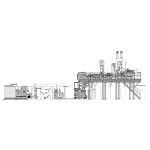
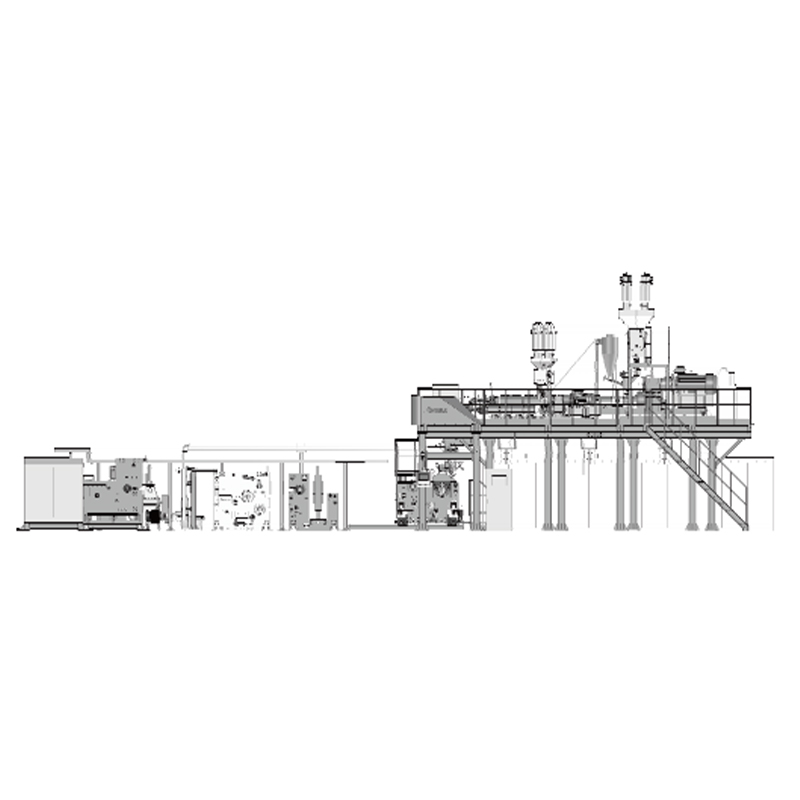
CPP cast decorative film extrusion lines produce cast polypropylene films used for laminating furniture panels, wall coverings, and consumer products. The cast process produces a film with a smooth surface and uniform thickness, which suits decorative applications where appearance and printability are critical. The line combines an extruder, a cast die, a chill roll, and downstream equipment for corona treatment, printing, or embossing. Buyers evaluating this category tend to focus on surface smoothness and thickness control, because those two factors determine whether the film meets the customer’s appearance requirements.
Surface smoothness is the first specification that buyers evaluate. A decorative film must have a smooth, uniform surface that accepts printing or embossing without defects. A film with gels, fisheyes, or die lines will show those defects after printing, and the defects cannot be corrected downstream. The cast process produces a smoother surface than a blown film process because the film is quenched against a chill roll rather than cooled in a bubble. Factories that control the resin quality, the die gap, and the chill roll temperature produce films with clean surfaces.
Thickness control is the second specification that determines the film’s value. A decorative film must maintain a consistent thickness across the width and along the length of the roll. Thickness variation shows as gloss bands or haze after printing, and it affects the film’s mechanical properties. The die gap, the extruder output, and the chill roll speed all affect the thickness. Factories that measure the thickness across the web, rather than only at the center, produce films that meet the customer’s specification.
The chill roll and the cooling system affect both the surface quality and the film’s optical properties. A chill roll that is not polished uniformly produces a film with surface defects. One that is not controlled for temperature produces a film with internal stress that causes it to curl or warp. Factories that control the chill roll temperature and the pinning force produce films that are flat and consistent.
The corona treatment affects the film’s printability and its adhesion to the substrate. A film that is not treated properly will not accept ink or adhesive, which causes the print to flake or the lamination to delaminate. The treatment level must be matched to the printing or lamination process, and it must be uniform across the web. Factories that control the treatment level and verify it during production produce films that perform in the customer’s process.