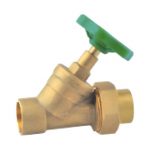
Design Principles of a Diversity Water Device Valve
Engineering for Statistical Demand, Not Peak Load
The core intellectual principle behind a diversity water device valve is the application of diversity factors to hydraulic system design. Unlike a standard pressure reducing valve (PRV) that simply limits maximum pressure, this valve is engineered to recognize that in a network with multiple outlets, the simultaneous demand is statistically less than the sum of all individual maximum demands. The valve’s design intelligently modulates flow or pressure to serve the probable concurrent load, not the theoretical possible peak load, optimizing system sizing and performance.
Principle 1: Flow Modulation Based on System Characteristic Curves
A sophisticated diversity water device valve manufacturer designs the valve’s internal mechanism to have a specific performance curve. This curve is not a simple on/off or linear relationship. Instead, it is calibrated to provide a higher flow rate at lower demands (serving initial fixtures quickly) and then progressively restrict or modulate the flow increase as the perceived system demand rises. This prevents the system from being overwhelmed by mimicking the natural diversity of fixture usage, ensuring stable pressure is maintained for all connected outlets even as more are opened.
Principle 2: Pressure Independence and Stability
A key design goal is pressure independence for downstream fixtures. The valve is engineered to maintain a relatively constant outlet pressure across a wide range of inlet pressures and flow rates. This is achieved through a sensitive pilot control system or a specialized diaphragm/spring mechanism that reacts to downstream pressure signals. When a diversity water device valve manufacturer designs this system, they focus on the valve’s ability to absorb upstream fluctuations and isolate downstream conditions, providing consistent performance regardless of how many other valves in the building are being used.