Do You Need a Referral for NDIS Therapy in Western Australia?
“Do I need a referral?” is one of the most common questions people ask before booking NDIS therapy. The short answer is that it depends on the provider and the type of support, so it pays to check before you book.
Referrals and NDIS funding
In general, the NDIS does not require a GP referral for you to use funded therapy, as long as the support is included in your plan and is reasonable and necessary for your goals. This is different from Medicare, where a GP referral or care plan is often needed.
That said, requirements vary:
Some providers ask for a referral so they have your history before the first appointment.
Some services, such as specialised assessments or equipment prescriptions, may need supporting documents.
If you are also claiming a Medicare or private health rebate, a referral may be needed for that part.
Some funding decisions, particularly for equipment or more complex supports, may depend on written reports.
Always ask your chosen provider what they need.
Who can make a referral?
Referrals can come from many places:
GPs and specialists
Paediatricians and child health nurses
Schools and early-learning centres
Hospitals and discharge planners
Support coordinators
Plan managers
Family members and carers
Participants themselves (self-referral)
Many clinics accept referrals from several sources. A self-referral can be perfectly fine, but if a professional has already done assessments, sharing them can save time.
What a good referral includes
A helpful referral usually has:
The participant’s name, date of birth and contact details
NDIS number and plan dates
Plan management type, and plan manager details if relevant
The type of therapy requested (OT, physio, speech pathology or others)
The reason for referral and main goals
Relevant diagnoses, reports or assessments
Any urgent concerns, such as swallowing difficulty or safety risks
Details of the person making the referral
If you are not sure what to include, ask the provider. Most intake teams are happy to help.
Tips for a smooth referral
Check funding first. Make sure therapy is in the plan before you refer.
Send reports early. Recent assessments help the therapist prepare.
Be clear about goals. “Help with communication at school” is more useful than “speech therapy”.
Flag urgency. If someone has difficulty swallowing or is at risk, say so and ask about priority.
Ask about wait times. They differ between providers and therapies.
Keep copies. Hold onto your referral and any replies.
Do you need a referral for each therapy?
Not necessarily. One referral to a multi-disciplinary clinic may cover more than one service, or the clinic may ask you to list each therapy you want. Ask how they handle this when you contact them.
What if you don’t have a GP?
You can still access NDIS therapy. Self-referral, or a referral from a support coordinator, school or other service, is often enough. If you need a GP for other reasons, a local community health service or the NDIS planner may help you find one.
What happens after the referral?
After a referral, the provider will usually:
Contact you to confirm details
Check your plan, funding and plan type
Offer a service agreement
Book a first appointment
Arrange any additional information they need
If you don’t hear back within the time they gave you, follow up politely. Referrals do sometimes get lost.
Referral and urgent needs
If the person has an urgent need, such as difficulty swallowing, a recent hospital discharge or a significant change in mobility, say so when you make contact. Providers may be able to prioritise urgent cases, offer an earlier assessment, or suggest an alternative service if the wait is long. It also helps to provide contact details for anyone who can give more information, such as a GP, hospital therapist or support coordinator.
Making a referral in Balcatta
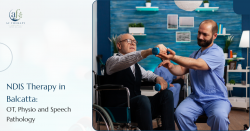
If you are in Perth’s northern suburbs, AF Therapy Services accepts referrals through its website and by phone on (08) 6184 6736. You can find more detail in its Balcatta NDIS therapy guide.
This article is general information and not medical advice. Requirements may change, so confirm with your provider and the NDIA.