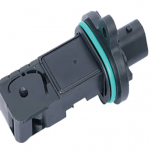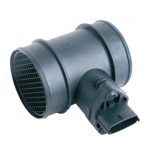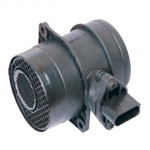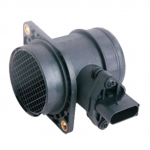
Ensuring Model-Specific Calibration in BMW Air Flow Sensor Production
The Imperative of Precise Engine-Specific Calibration
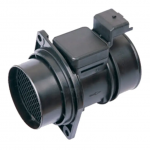
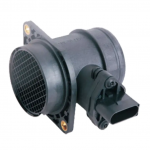
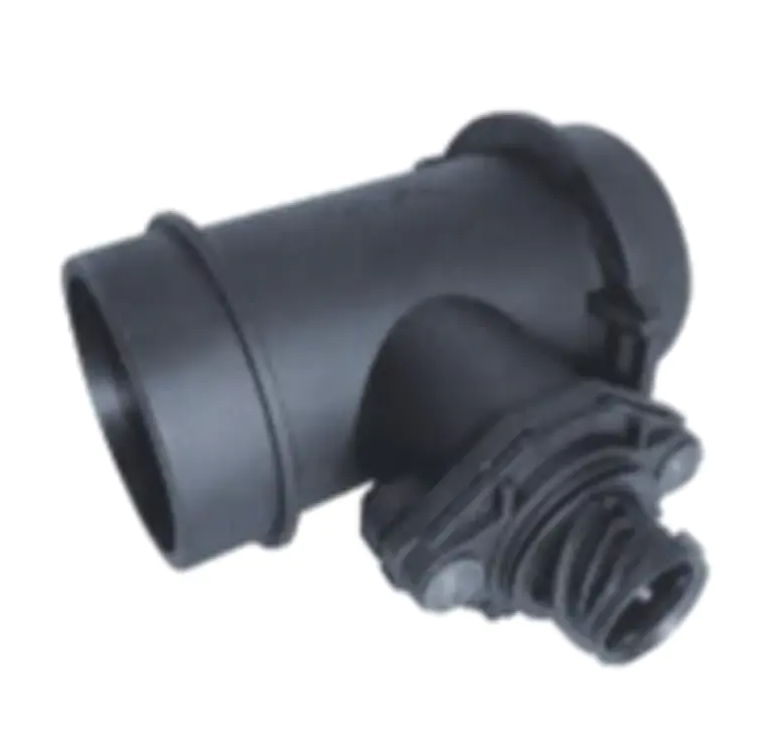
A BMW engine’s performance, efficiency, and emissions are finely tuned based on precise mass air flow (MAF) data. Therefore, a sensor from a BMW air flow sensor factory cannot be a generic component. Its calibration—the specific relationship between the measured airflow and the output voltage or frequency signal—must be engineered to match the exact requirements of each BMW engine family (e.g., N20, B48, S55) and its specific intake tract design. This model-specific alignment is a core competency that separates a professional OEM supplier or high-quality aftermarket BMW air flow sensor factory from generic parts manufacturers.
Access to Original Engineering Data and Parameters
A factory operating at an OEM level or as a licensed supplier has access to BMW’s engineering specifications and calibration maps. This includes the exact transfer function (the mathematical curve defining voltage output vs. grams per second of airflow) for each part number. A top-tier BMW air flow sensor factory reverse-engineers or licenses this data with high fidelity. This ensures that the sensor’s output over its entire operating range perfectly mimics the original equipment, allowing the Engine Control Unit (DME) to interpret the signal correctly for fuel injection and ignition timing calculations.
Precision Manufacturing of the Sensing Element
The heart of calibration is the hot-film or hot-wire sensing element. Its physical characteristics—thickness, material composition, and microscopic dimensions—are critical. A dedicated BMW air flow sensor factory uses precise, controlled processes to manufacture these elements consistently. Even minor variations can shift the calibration curve. The factory maintains strict tolerances on this core component to ensure every sensor for a given part number behaves identically, matching the thermal response characteristics expected by the vehicle’s DME.