Environmental Advantages of Wood Fired Thermic Fluid Heating
A wood fired thermic fluid heater is a type of industrial heating system that uses wood as the primary fuel to heat thermic fluid for various heat transfer applications. These heaters are designed to provide a reliable and efficient source of heat for processes requiring stable temperature control without direct contact between the heating medium and the combustion gases.
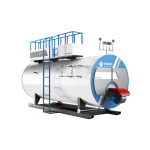
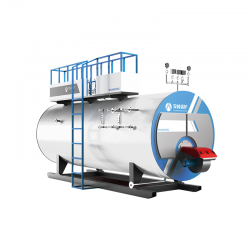
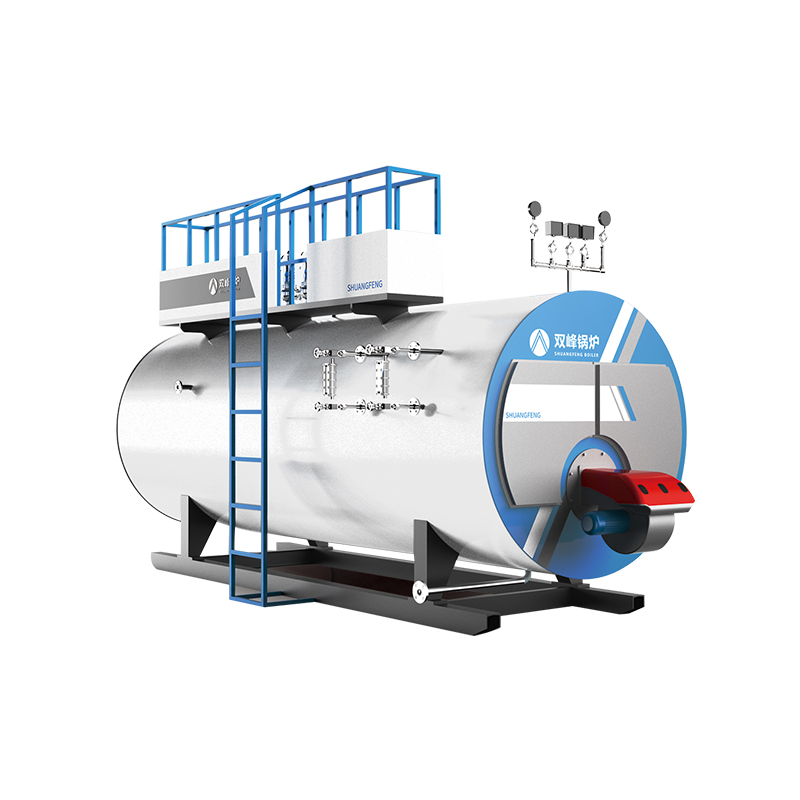
The heater consists of a combustion chamber, a heat exchanger, circulation pumps, and control systems. The wood fuel, usually in the form of chips, pellets, or logs, is burned in the combustion chamber, producing hot gases. These gases transfer heat to a thermic fluid circulating through the heat exchanger, commonly a synthetic oil or specialized heat transfer fluid.
The thermic fluid absorbs the heat and is pumped through insulated pipes to the desired application points. This system allows heat delivery at temperatures often ranging between 150°C and 350°C, depending on the fluid and process requirements.
The circulation system maintains a continuous flow of thermic fluid, ensuring uniform heat distribution. Temperature sensors and control units regulate combustion and fluid temperature, maintaining consistent process conditions.
Wood fired thermic fluid heaters are used in industries such as textiles, rubber, plastics, chemical processing, and food production. These systems provide heat for drying, curing, melting, and other thermal processes requiring stable and controllable heat.