Fire Resistant High Voltage Cable
https://www.tongda-wirecable.com/cable-catalog/fire-resistant-high-voltage-cable.html
In modern industry and construction, Fire Resistant High Voltage Cables are not only essential for the transmission of power, they are also the lifeline for the continued operation of the system in the event of a fire or other emergency. Whether it is a petrochemical plant, an underpass tunnel, or a high-rise building, choosing the right high-voltage fire-resistant cable is critical to ensuring the safety of people and the integrity of property. This article will provide you with a detailed analysis of the structure, standards, classification, application scenarios and selection recommendations for high-voltage fire protection cables, to help you make informed decisions in the project.
What is a high-voltage fire cable?
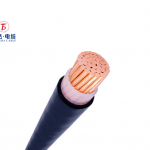
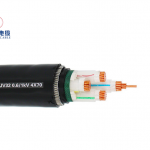
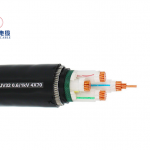
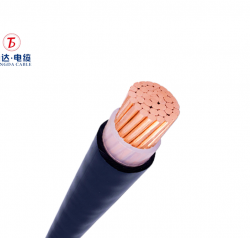
High-voltage fire protection cable is a type of cable designed to maintain the integrity of electrical circuits under extreme conditions such as fire. It is designed to ensure the continued operation of critical systems such as fire pumps, emergency lighting, alarm systems, etc. in harsh environments such as high temperatures, flames, and water spray. These cables are typically constructed with copper conductors, clad with Mica Tape or Magnesium Oxide (MgO) as a fireproofing layer, and insulated and sheathed with Cross-Linked Polyethylene (XLPE) or Low-Smoke, Non-Halogen (LSZH) materials. It is designed to extend the operation of critical systems in the event of a fire, buying valuable time for evacuation and fire fighting.
Structural Components of High Voltage Fire Protection Cables
A typical high voltage fire rated cable consists of the following components:
Conductor: usually made of copper, which has excellent electrical conductivity and heat resistance.
Fireproof layer: commonly used mica tape or magnesium oxide, which can still maintain structural stability at high temperatures.
Insulation layer: XLPE or silicone rubber is mostly used, with good thermal stability and electrical properties.