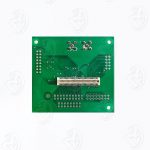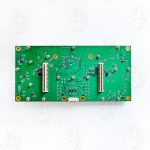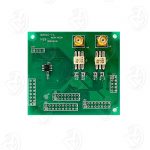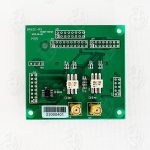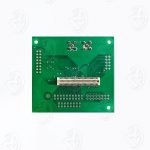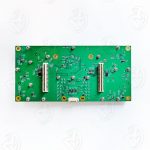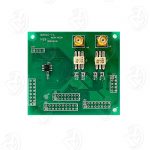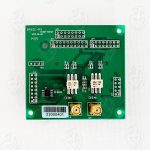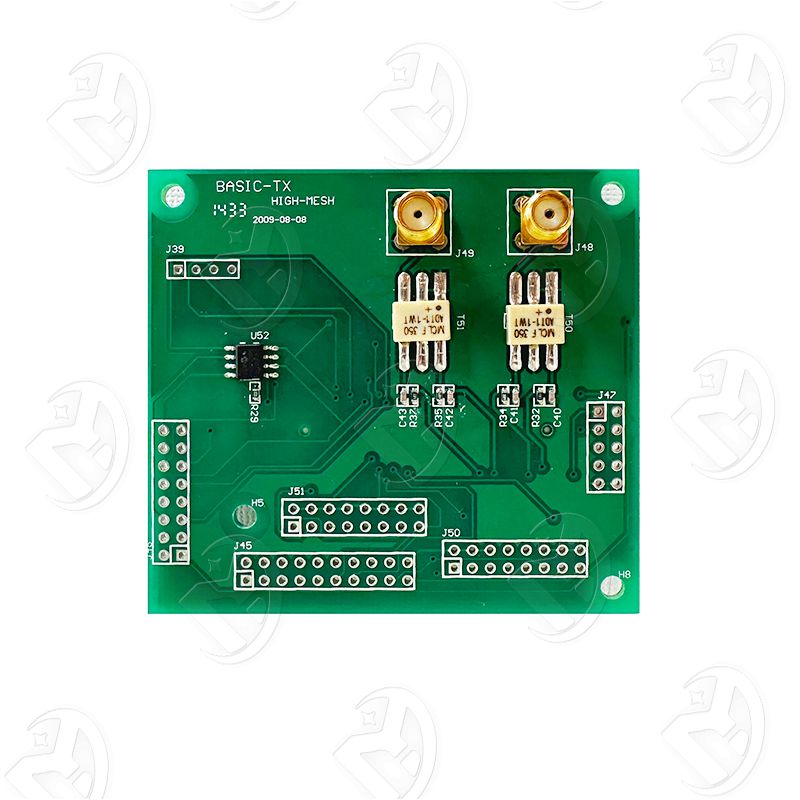
Full Duplex Wideband Transceiver
https://www.hmusrp.com/recommend-products/full-duplex-wideband-transceiver.html
Full Duplex Wideband Transceiver is a wireless device capable of simultaneous two-way communication and is widely used in modern communication systems. Below is a detailed explanation of its definition and functionality.
Basic concepts
Full-duplex communication means that the device can send and receive data at the same time. This is different from half-duplex communication, which can only be transmitted in one direction at any time. Full-duplex systems typically use the same frequency or time slot for transmission and reception, which gives them significant advantages in spectral efficiency.
Working principle
Full-duplex wideband transceivers utilize sophisticated signal processing techniques to achieve simultaneous transmission and reception. One of its main challenges is self-interference cancellation, because while transmitting a signal, the receiving end will be interfered by its own transmitted signal. To solve this problem, modern full-duplex systems use advanced algorithms and hardware designs to reduce interference and thereby improve communication quality.
Application areas
Full-duplex broadband transceivers are widely used in the following fields:
– Wireless communications: such as mobile phones, Wi-Fi, etc.
– Network equipment: used to increase data transfer rates and network capacity.
– Internet of Things (IoT): Supports real-time data exchange between devices.
Advantages
1. Improve spectrum efficiency: By sending and receiving data simultaneously, the available spectrum can be used more efficiently.
2. Reduced latency: Faster data transfer can be achieved since there is no need to wait for sending or receiving to complete.
3. Solve the problem of hidden terminals: In a multi-user environment, full-duplex can reduce signal conflicts and improve network reliability.