Future-Ready Buildings: Timber Construction UK and Engineered Timber Innovations
The construction industry in the United Kingdom is undergoing a major transformation. With increasing pressure to reduce carbon emissions, improve energy efficiency, and accelerate building timelines, timber construction UK has emerged as a powerful and sustainable alternative to traditional building methods. From residential homes to multi-storey commercial buildings, timber is redefining how modern structures are designed and built.
At the forefront of this revolution is Timba Systems, a brand committed to delivering high-quality, innovative, and eco-friendly building solutions through advanced engineered timber construction techniques. Their expertise reflects a growing trend across the UK construction sector—one that prioritizes sustainability, efficiency, and long-term value.
Understanding Timber Construction in the UK
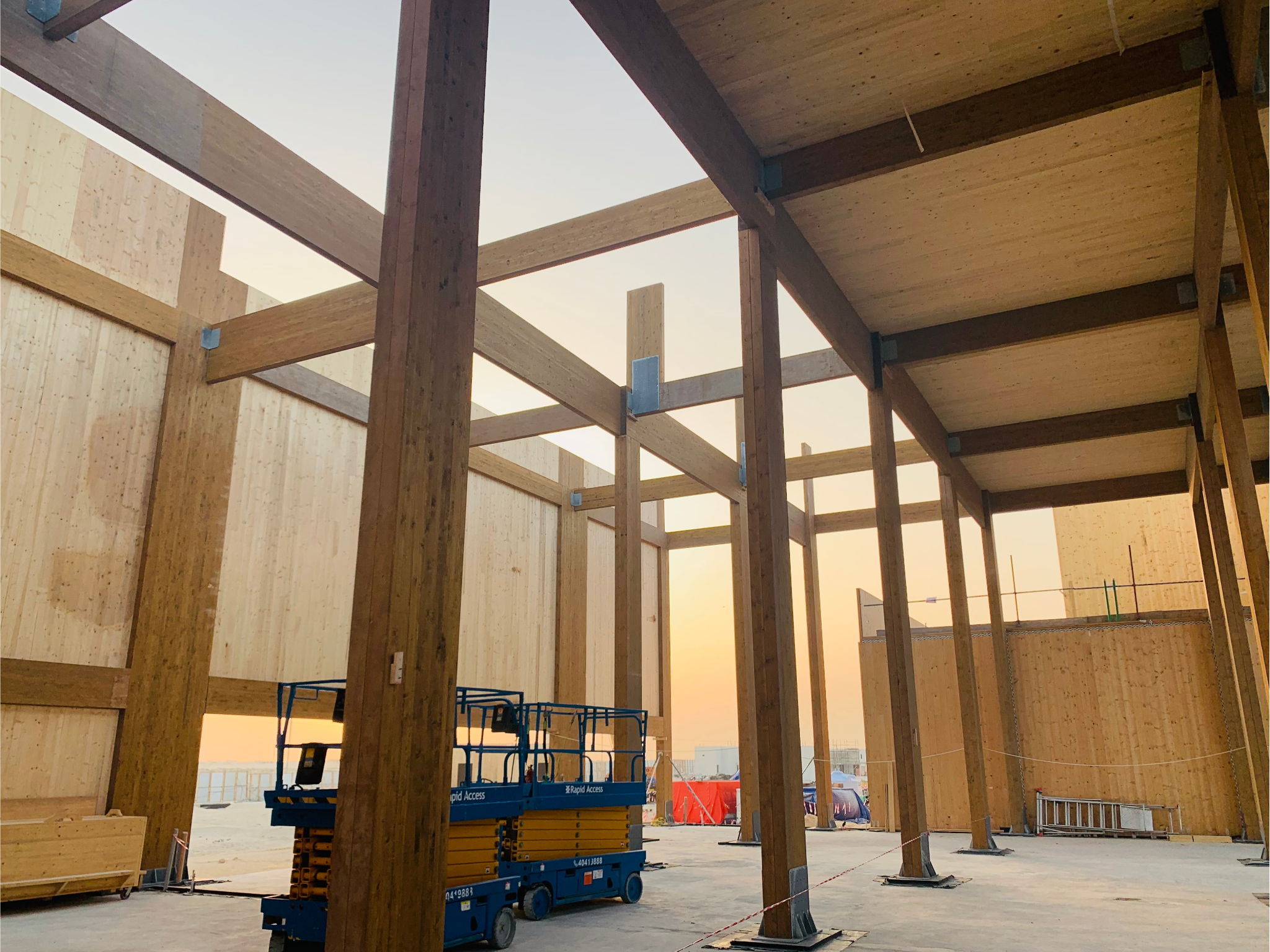
Timber construction involves the use of wood as a primary structural material. Traditionally, timber has been used in housing, but advancements in technology have expanded its application into large-scale and complex buildings.
In the UK, timber frame construction is becoming increasingly popular due to its environmental benefits and faster construction timelines. Government initiatives promoting sustainable building practices have further accelerated its adoption. According to recent data, timber buildings can reduce embodied carbon emissions by 20% to 60%, making them a key component in achieving net-zero targets.
What is Engineered Timber Construction?
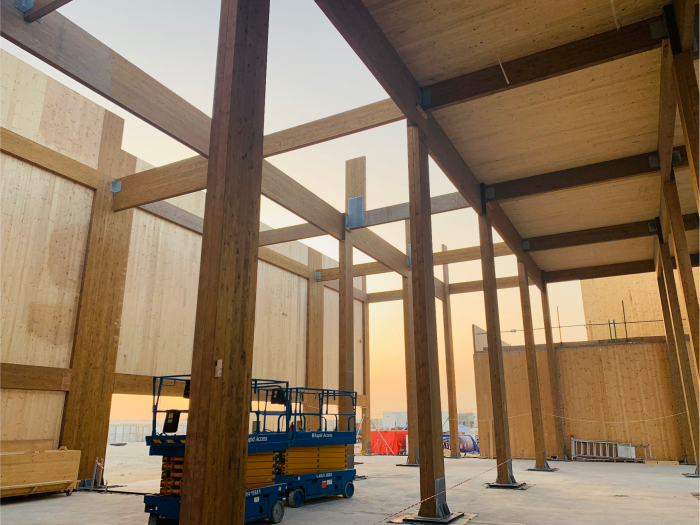
Engineered timber construction refers to the use of specially manufactured wood products designed for enhanced strength, durability, and performance. Unlike traditional timber, these materials are created by bonding layers of wood together, resulting in superior structural integrity.
Some common engineered timber products include:
Cross-Laminated Timber (CLT)
Glued Laminated Timber (Glulam)
Laminated Veneer Lumber (LVL)
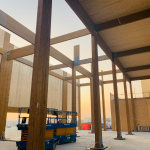
These materials allow architects and builders to create taller, stronger, and more complex structures while maintaining sustainability. Engineered timber offers high load-bearing capacity, stability, and fire resistance, making it suitable for both residential and commercial projects.
The Rise of Timber Construction in the UK
The UK construction sector is increasingly shifting toward timber for several reasons:
1. Sustainability and Environmental Benefits
Timber is one of the most sustainable building materials available. It is renewable, biodegradable, and requires significantly less energy to produce compared to steel or concrete.
Additionally, timber acts as a carbon store, locking carbon within the structure for its entire lifespan. Buildings made from timber can store up to 50% more carbon than masonry homes, and even more when engineered timber is used.
This makes timber construction a crucial solution in reducing the environmental impact of the built environment.
2. Reduced Carbon Footprint
Engineered timber significantly lowers carbon emissions. Life cycle assessments show that timber buildings can reduce embodied carbon by 60% to 75% compared to traditional materials.
As the UK strives toward net-zero emissions by 2050, timber construction is becoming an essential strategy for sustainable development.
3. Faster Construction Times
One of the biggest advantages of timber construction is speed. Prefabricated timber components are manufactured off-site and assembled quickly on-site.
Construction timelines can be reduced by up to 30%
Structures can be erected in just a few days
Less dependency on weather conditions
This efficiency not only reduces project timelines but also minimizes labor costs and site disruption.
4. Cost-Effective Building Solutions
Timber construction can significantly reduce overall project costs. Savings come from:
Reduced labor requirements
Faster project completion
Minimal material waste
Lower energy costs
In some cases, timber frame systems can reduce construction costs by 30% to 50% compared to traditional methods.
5. Superior Energy Efficiency
Timber is a natural insulator, making it ideal for energy-efficient buildings. Structures built with timber offer:
Excellent thermal insulation
Reduced heat loss
Lower energy consumption
Homeowners often experience 25% to 30% lower heating costs compared to conventional buildings.
This not only reduces energy bills but also enhances indoor comfort.
6. Design Flexibility and Aesthetic Appeal
Timber offers unmatched design flexibility. Whether it’s a modern commercial building or a traditional-style home, timber can adapt to various architectural styles.
Engineered timber allows for:
Open-plan layouts
Large spans without columns
Unique and creative designs
Its natural aesthetic also adds warmth and character to buildings, making it a preferred choice for architects and designers.
Applications of Engineered Timber Construction
The versatility of engineered timber has expanded its use across various sectors in the UK:
Residential Construction
Timber is widely used in housing developments due to its affordability, speed, and sustainability.
Commercial Buildings
Office spaces, schools, and retail structures are increasingly adopting engineered timber for its structural strength and eco-friendliness.
Multi-Storey Developments
Modern engineered timber systems now support high-rise construction, challenging the dominance of concrete and steel.
Modular and Prefabricated Buildings
Timber is ideal for modular construction, enabling faster and more efficient project delivery.
Why Choose Timba Systems?
Timba Systems is a trusted name in the UK for advanced timber construction solutions. Their expertise in engineered timber construction ensures high-quality, durable, and sustainable structures tailored to modern needs.
Key Advantages of Timba Systems:
Innovative Engineering: Use of advanced timber technologies for superior performance
Sustainability Focus: Commitment to eco-friendly building practices
Precision Manufacturing: Off-site fabrication for accuracy and efficiency
Custom Solutions: Tailored designs to meet specific project requirements
Cost and Time Efficiency: Faster project delivery with reduced costs
By combining modern engineering with sustainable materials, Timba Systems helps clients achieve high-performance buildings that align with environmental goals.
Challenges and Considerations
While timber construction offers numerous benefits, there are some challenges to consider:
Fire Safety
Modern engineered timber is designed to meet strict fire safety standards. Proper treatment and design ensure high levels of fire resistance.
Moisture and Durability
Timber must be properly treated and maintained to prevent issues like rot or moisture damage.
Supply Chain Concerns
Ensuring sustainably sourced timber is essential to maintain environmental benefits.
Despite these challenges, advancements in technology and regulations continue to improve the reliability and safety of timber construction.
The Future of Timber Construction in the UK
The future of timber construction UK looks promising. With growing awareness of climate change and the need for sustainable building solutions, timber is set to play a central role in the construction industry.
Innovations such as robotic manufacturing and digital design are further enhancing efficiency and scalability. As more developers and builders embrace engineered timber, the UK is moving toward a greener and more sustainable built environment.
Conclusion
Timber construction is no longer just an alternative—it is the future of building in the UK. With its environmental benefits, cost efficiency, and design flexibility, it offers a compelling solution to modern construction challenges.
Engineered timber construction takes these advantages even further, enabling stronger, more versatile, and sustainable structures. Companies like Timba Systems are leading this transformation by delivering innovative timber solutions that meet the demands of today while protecting the environment for tomorrow.
As the UK continues its journey toward sustainability and net-zero emissions, timber construction stands out as a smart, responsible, and forward-thinking choice for builders, developers, and homeowners alike.