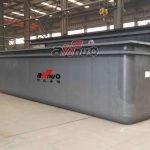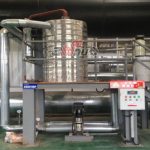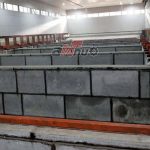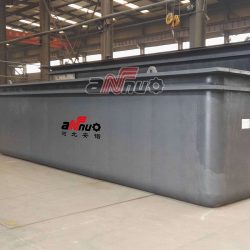
Galvanizing Tank/Galvanizing Kettle/Zinc Kettle
Galvanizing Tank/Galvanizing Kettle/Zinc Kettle
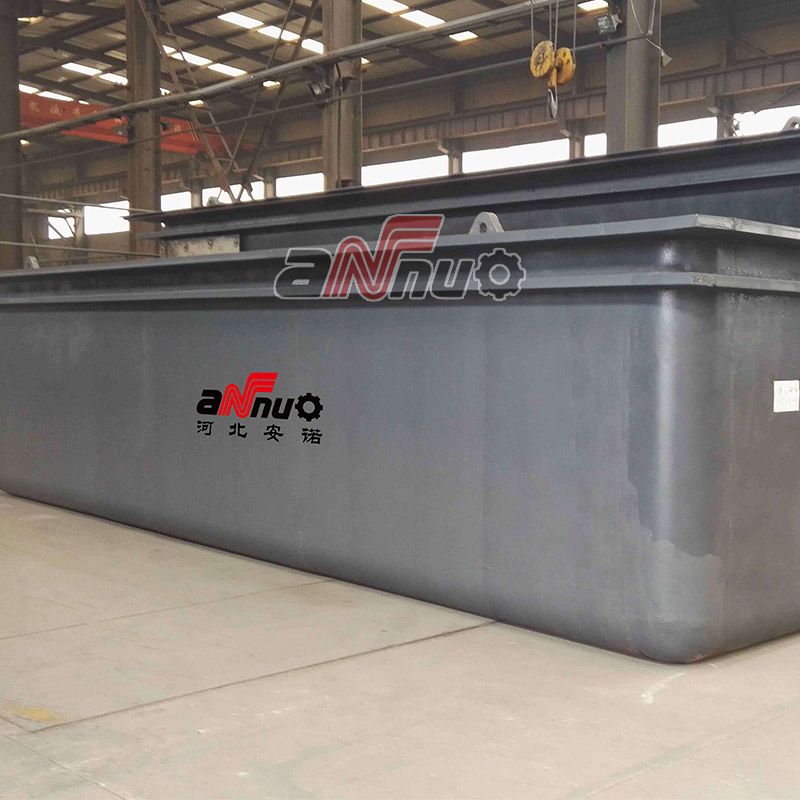
Zinc Kettle / Galvanized Kettle for Hot-Dip Galvanizing Plants
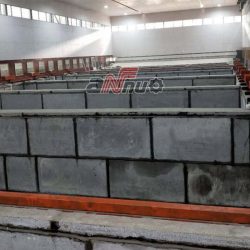
A zinc kettle (also called a galvanizing kettle, galvanizing tank, or molten zinc bath) is the core vessel of hot dip galvanizing equipment. It holds molten zinc at 438–460 °C (820–860 °F), into which cleaned steel parts are submerged to form a durable zinc-iron alloy coating.
The kettle must withstand continuous thermal stress, the corrosive attack of liquid zinc on steel, and the mechanical load of heavy workpieces — making material selection and welding quality the two most critical factors in kettle longevity.
Hebei Annuo manufactures three main kettle types to suit different galvanizing processes:
Batch galvanizing kettles — for structural steel, fabrications, and general-purpose HDG plants
Continuous galvanizing kettles — for wire, strip, and tube lines
Spin galvanizing kettles — for small fasteners, nuts, bolts, and hardware
Key Features of Our Galvanized Kettle
XG08 Low-Alloy Steel — The Best Kettle Material in China
The material we use is XG08, which is the best steel sheet for manufacturing galvanizing kettles in China. It contains tightly controlled levels of:
Carbon (C): ≤ 0.08%
Silicon (Si): ≤ 0.10%
Sulphur (S): ≤ 0.008%
Phosphorus (P): ≤ 0.010%
Lower Si and C content directly reduces the Fe–Zn reaction rate at the kettle wall, cutting wear by up to 40% compared with standard structural steel. Standard structural steels typically contain 0.20–0.35% Si, which can increase the corrosion rate by 2–4× versus XG08.
One-Piece Hydraulic Forming — No Horizontal Bottom Weld
The U-shaped kettle body is hydraulically formed in a single press operation, eliminating horizontal weld seams at the high-stress bottom zone. Horizontal welds are the most common failure point in galvanizing kettles; removing them is the single most effective measure for extending service life.
100% Ultrasonic Testing at Two Stages
Every steel plate is ultrasonically scanned before cutting. Every completed weld seam is 100% UT-tested after fabrication. No kettle leaves the factory without passing full weld integrity verification.