High-Decibel Metal Buzzers: The Grille Decides the Output
High-decibel metal buzzers are specified when a signal must be heard over machinery, traffic, or a crowded floor. Buyers compare sound pressure ratings, frequency, and housing material. The specification that decides whether the buzzer’s output reaches the listener is the grille, and it is the part of the buzzer the buyer evaluates least.
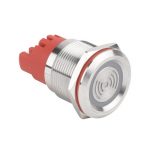
The grille is the opening in the housing that lets the sound out. Its open area, its hole size, and its position relative to the diaphragm determine how much of the sound reaches the listener. A grille with too little open area reflects the sound back into the housing and reduces the output. One with large holes lets the sound out but provides less protection against water and dust. The grille must balance the acoustic transmission against the environmental protection.
The grille’s position affects the sound’s direction. A grille that faces the listener delivers the sound directly. One that faces away relies on reflections, which reduces the output. Factories that design the grille to face the installation’s access point produce buzzers that are heard.
The membrane behind the grille protects the buzzer from water and dust while allowing the sound to pass. A membrane that is too thick blocks the sound. One that is too thin tears. Factories that specify the membrane for the IP rating and the acoustic requirement produce buzzers that perform in wet or dusty conditions.
The housing’s resonance affects the output. A metal housing resonates differently than a plastic one, and the resonance can reinforce or cancel the sound. Factories that design the housing’s volume and its wall thickness for the buzzer’s frequency produce buzzers that deliver their rated output.
The mounting affects the output as much as the grille. A buzzer mounted on a resonant surface radiates more sound. One mounted on a damped surface radiates less. Factories that advise on the mounting produce buzzers that perform in the installation.
The drive circuit affects the output’s stability. A buzzer that is driven at the wrong voltage produces less sound or distorts. Factories that specify the drive voltage and the current draw produce buzzers that meet their rating.
The practical question for a buyer is not the sound pressure rating on the datasheet. It is how the grille and the membrane let the sound out. Those two answers decide whether the buzzer is heard in the installation. A buzzer that meets its rating in a test chamber and is muffled in the panel was built with a grille that treated the sound path as a detail.