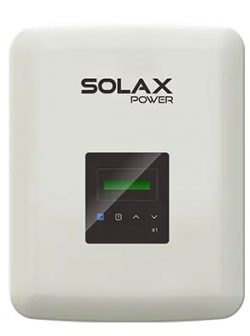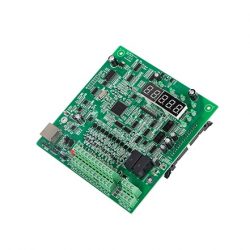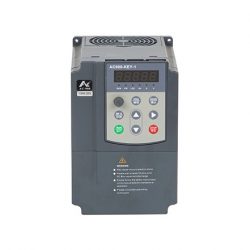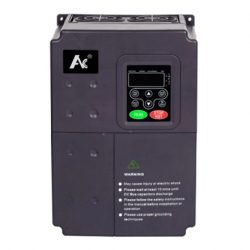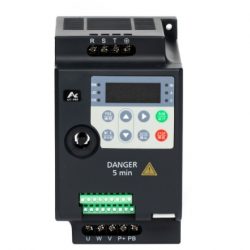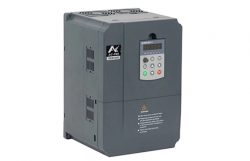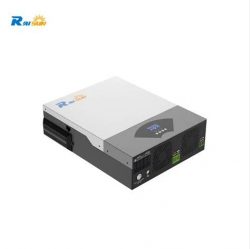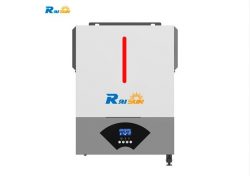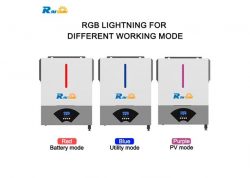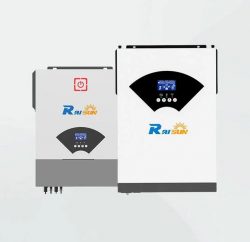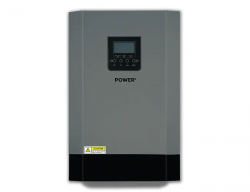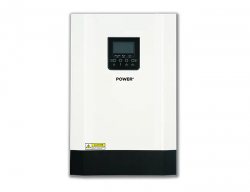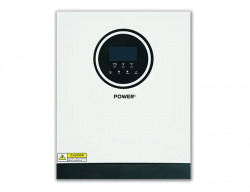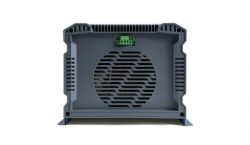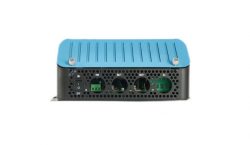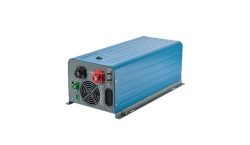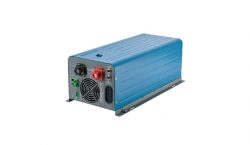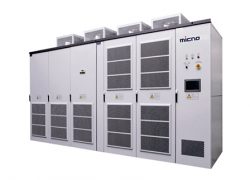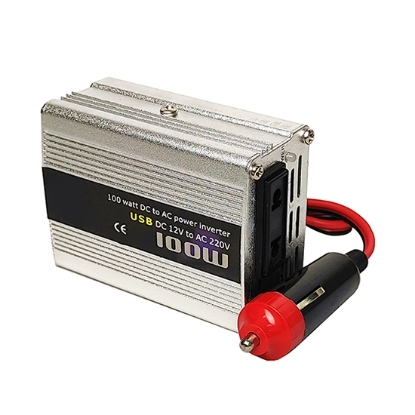
High Quality Sine Wave Inverter
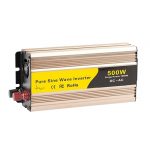
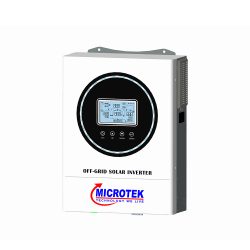
In the realm of electrical power conversion, sine wave inverters stand out as crucial devices that transform direct current (DC) into alternating current (AC) with a waveform that closely mimics the sine wave produced by utility power grids. This type of inverter is highly sought after because it provides a clean and stable power supply, essential for operating sensitive electronic equipment and appliances.
The sine wave output of these inverters is particularly important for devices that require precise power input. Unlike modified sine wave inverters, which produce a more approximate waveform, pure sine wave inverters ensure that the electrical current is smooth and consistent. This makes them ideal for powering computers, televisions, medical equipment, and other devices that may experience performance issues or damage when connected to less refined power sources.
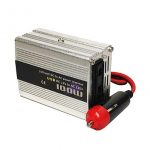
One of the key benefits of sine wave inverters is their versatility. They are available in a wide range of power capacities, from small units suitable for portable applications to high-capacity models designed for industrial use. For example, a 300-watt sine wave inverter can be used to power basic household appliances during a power outage, while a 2000-watt model can handle more demanding loads, such as refrigerators and microwaves.
When selecting a sine wave inverter, several factors need to be considered. The power rating is crucial, as it must match or exceed the total wattage of the devices that will be connected. Additionally, the efficiency of the inverter is important, as it affects the amount of energy lost during the conversion process. A highly efficient inverter not only reduces energy waste but also lowers operating costs over time.
Safety features are another important aspect of sine wave inverters. Many models come with built-in protections against over-voltage, under-voltage, overload, over-temperature, and short circuits. These features ensure that the inverter and connected devices are safeguarded from potential damage, making the inverter more reliable and durable.
In the context of renewable energy systems, sine wave inverters play a vital role. Solar panels and wind turbines often produce DC power, which needs to be converted to AC for use in homes or for feeding into the electrical grid. Sine wave inverters ensure that this conversion is done efficiently and without compromising the quality of the power output.
Moreover, sine wave inverters are also used in backup power systems. During power outages, they can convert the DC power stored in batteries to AC power, allowing essential appliances to continue functioning. This is particularly important in medical facilities, data centers, and other critical operations where uninterrupted power supply is essential.
In summary, sine wave inverters are indispensable in modern electrical systems. Their ability to provide a clean and stable sine wave output makes them suitable for a wide range of applications, from powering sensitive electronics to supporting renewable energy systems. As technology continues to advance, sine wave inverters are becoming more efficient and reliable, further enhancing their importance in both residential and commercial settings.