Hot Melt Adhesive for Air Filters
Hot Melt Adhesive for Air Filters
https://www.rurga.com/hot-melt-adhesive-for-air-filters/
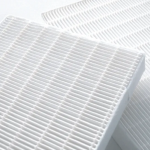
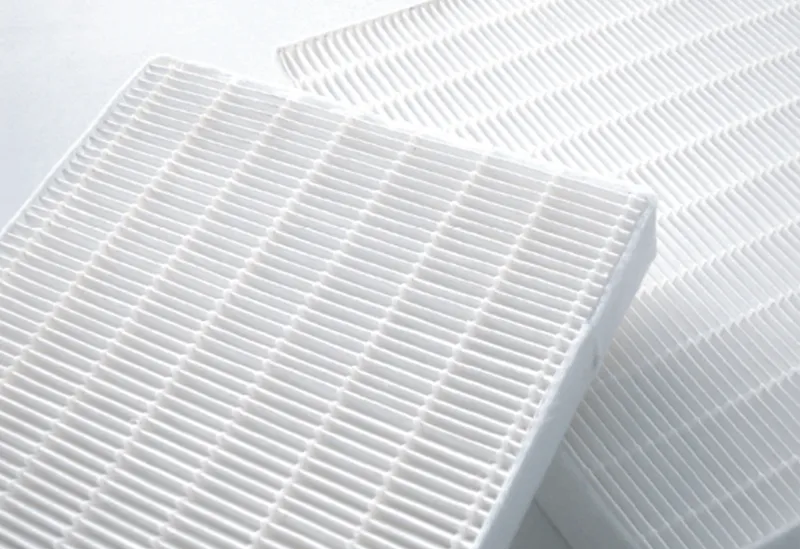
Hot melt adhesive for air filters is a specialized thermoplastic adhesive used in the assembly of air filtration products such as automotive air filters, HEPA filters, cabin filters, HVAC filters, and indoor air purifier elements. After heating it melts and solidifies quickly, helping bond filter media, frames, pleats and composite layers without the use of solvents.
Performance Characteristics Relevant to Air Filters
Filter Media Bonding: Designed to attach filter paper, non‑woven fabrics, foam and activated carbon media to frames and edges. Bond quality directly influences filtration efficiency and reduces bypass leakage.
Open Time & Cure Speed: Moderate to short open time (e.g., 2–5 seconds) supports medium to high‑speed automated production lines without slowdowns.
Temperature Resistance Range: Formulations remain stable within common processing (e.g., 150–180 °C) and operating conditions of filtration devices.
Flexibility & Durability: Good flexibility and resistance to shrinkage prevent cracking or detachment during pleating, handling and vibration in service.
Low Odour & Non‑Toxicity: Many grades are formulated to be tasteless, non‑toxic and low VOC, important for indoor air filter products (e.g., home air purifiers) and avoiding contamination.
Material Compatibility: Works with a range of substrates such as polypropylene (PP), polyester, fibreglass and frame materials like plastic or metal.
Typical Air Filter Applications
Hot melt adhesives in air filter production support several specific assembly points:
Pleat Bonding / Pleat Spacing: Fixes folded filter media to maintain uniform pleat shape and spacing.
Frame Attachment: Bonds filter media to rigid or semi‑rigid frames, ensuring airtight edges and mechanical integrity.
Layer Fixing in Multi‑Stage Filters: Secures multiple media layers (e.g., pre‑filter + HEPA + activated carbon) against shifting during use.
Edge Sealing & Fill: Fills gaps at media edges and reinforces seals where airflow could bypass the filter material.