How Sterilization and Filter Design in Medical Pipette Tips Box Help Prevent Cross-Contamination?
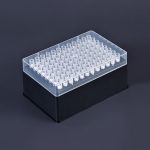
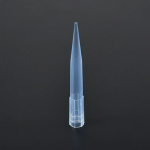
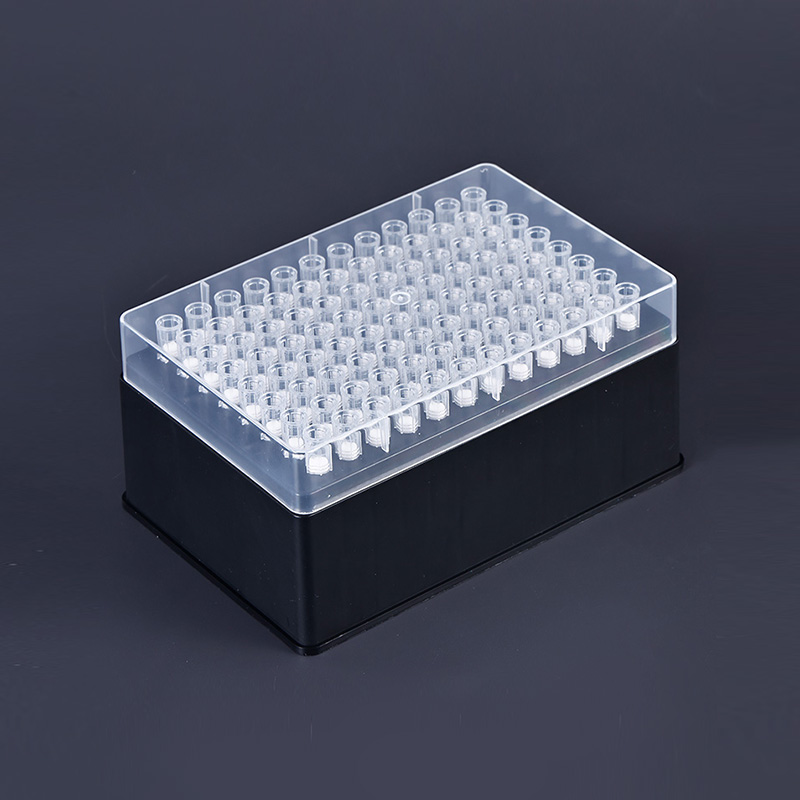
A notable advancement in contamination prevention is the incorporation of filter pipette tips stored within the Medical Pipette Tips Box. These filter tips contain a barrier that blocks aerosols and liquids from entering the pipette shaft, effectively preventing cross-contamination between samples. This feature is particularly valuable when working with infectious agents or when performing highly sensitive techniques such as PCR, where even minute contaminants can skew results.
The filter design within the Medical Pipette Tips Box ensures that each tip acts as a safeguard, significantly reducing the risk of carryover contamination. This barrier is typically made of hydrophobic materials that prevent liquids from passing through, protecting both the sample and the pipette instrument itself. Laboratories focused on diagnostics, molecular biology, and clinical research often prioritize Medical Pipette Tips Boxes with integrated filter tips due to their enhanced contamination control capabilities.
Moreover, the Medical Pipette Tips Box is designed to accommodate a variety of tip sizes and volumes, catering to different laboratory needs without compromising sterility. Whether it is for microliter or milliliter pipetting, the availability of sterilized and filtered tips ensures a broad application spectrum, from simple liquid transfers to complex multi-step protocols.
Maintaining a sterile environment is a combined effort of the pipette tip and the box that houses it. The Medical Pipette Tips Box is designed with material choices and manufacturing processes that ensure low particulate generation, further reducing contamination risks. This attention to detail is essential in cleanroom settings and regulated laboratories, where contamination control standards are stringent.