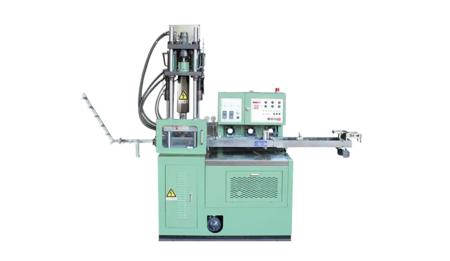
How to Choose an Injection Molding Zipper Machine Supplier
What core mechanisms define an effective arranging system
A professional zipper arranging machine utilizes a synchronized series of mechanisms to transform loose zipper chains into organized units. The core process typically involves a precision unwinding and tension control system, a length measurement unit (often using encoder wheels or photoelectric sensors), a programmable folding or coiling mechanism, and a stacking or collecting station. The effectiveness of the machine hinges on the smooth interaction of these components, which must handle various zipper materials—from flexible coil to rigid molded teeth—without causing damage or misalignment during the arranging process.
How is precision maintained across different zipper types and lengths
Precision is engineered through adaptable and programmable controls. A high-quality zipper arranging machine features a servo-driven system that allows operators to input specific parameters such as fold length, stacking count, and bundle size via a human-machine interface. Changeover for different zipper specifications (e.g., switching from a #5 to a #10 zipper or from a 24-inch to a 100-inch length) involves simple adjustments to guide widths, roller pressure, and program settings. This programmability ensures consistent loop size, fold neatness, and stack uniformity, regardless of the product variation.
What level of automation and integration capability is standard
Modern zipper arranging machine designs prioritize full automation and line integration. The machine should automatically receive zipper chains from an upstream process (like a slider attacher or cutter), perform its arranging function, and then convey the neat bundles to downstream packaging or boxing stations. Integration is facilitated through PLC controls and standard communication interfaces, enabling real-time data exchange on production speed and batch counts. This closed-loop automation eliminates manual transfer stages, reduces labor costs, and significantly boosts overall line efficiency.
What are the key durability and maintenance considerations
Given its continuous operation, durability is paramount. A reliable zipper arranging machine is constructed with robust frames and uses wear-resistant materials for components in direct contact with zippers, such as guide rails and folding plates. The supplier should provide a clear maintenance schedule outlining lubrication points and part inspection intervals. Easy access to common wear parts—like belts, sensors, and guides—and the availability of detailed spare parts lists are critical for minimizing unplanned downtime and ensuring long-term operational stability.
How does the manufacturer support installation and operational efficiency
Beyond supplying the machine, comprehensive support defines a true partner. A competent manufacturer provides on-site installation and commissioning, ensuring the zipper arranging machine is perfectly synced with the existing production line. They deliver thorough training for operators and maintenance technicians. Furthermore, they offer ongoing technical support for optimization, helping to fine-tune settings for maximum speed and minimal material waste. Their ability to respond quickly to technical inquiries or provide remote diagnostics adds substantial value to the capital investment.