HPMC for Tile Adhesive
HPMC for Tile Adhesive – Improve Bond Strength & Water Retention
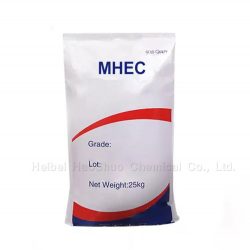
Hydroxypropyl Methylcellulose (HPMC) has become an indispensable additive in modern tile adhesive formulations. For manufacturers and contractors seeking reliable, high-performance tile installation solutions, understanding how HPMC enhances bond strength and water retention is critical to achieving durable, long-lasting results.
What is HPMC?
HPMC is a nonionic cellulose ether derived from natural cellulose through a process of alkalization and etherification. As a multifunctional additive, it serves as a thickener, water-retaining agent, binder, and rheology modifier in construction materials. Its unique chemical structure—cellulose backbone chains with hydroxypropyl and methyl substituents—enables it to form hydrogen bonds with water molecules, creating a viscous gel that enhances workability and extends open time.
The Role of HPMC in Tile Adhesive
In cement-based tile adhesives, HPMC plays several crucial roles that directly impact installation quality:
1. Water Retention
One of the primary functions of HPMC in tile adhesive is water retention. The hydrophilic nature of HPMC allows it to hold water within the adhesive matrix, preventing premature drying during the curing process. This is particularly important when tiles are installed on highly absorbent substrates, such as concrete or aerated blocks, which can rapidly draw moisture from the adhesive.
Studies have confirmed that HPMC can significantly improve the water retention of tile adhesives, with high-performance grades achieving up to 95-98% water retention after 30 minutes. This extended moisture availability ensures proper cement hydration, which is essential for developing maximum bond strength.
2. Extended Open Time
Open time—the period during which freshly applied adhesive remains workable—is critical for tile placement and adjustment. HPMC extends the open time of tile adhesives by slowing down water evaporation. This allows tilers more time to position tiles accurately, especially when installing large-format tiles or working in hot, dry conditions.
For standard cement-based tile adhesives, the open time typically ranges from 20 to 30 minutes. With the addition of an appropriate HPMC grade and dosage, this window can be extended to 40 minutes or more, providing greater flexibility during installation.
3. Sag Resistance
For wall tile installations, sag resistance is essential. The thixotropic behavior imparted by HPMC means the adhesive becomes less viscous under shear stress (during troweling) and returns to a higher viscosity when the stress is removed (after tile placement). This prevents tiles from sliding down vertical surfaces before the adhesive sets.
This property is particularly valuable for large-format and heavy tiles, where gravitational forces are more significant. Proper sag resistance ensures that tiles remain in the desired position without slipping or requiring constant repositioning.
4. Improved Bond Strength
HPMC enhances bond strength through multiple mechanisms. First, by ensuring adequate water retention, it promotes complete cement hydration, leading to higher mechanical strength. Second, HPMC modifies the microstructure of the cured adhesive, creating a denser, more uniform matrix. Research indicates that HPMC can improve both tensile bond strength and shear bond strength of tile adhesives.
Tensile bond strength tests according to EN 1348 (or equivalent standards) have shown that HPMC-containing formulations consistently achieve higher values than formulations without HPMC, particularly after water immersion and heat aging cycles.
5. Improved Workability
Beyond the core technical properties, HPMC significantly enhances the practical workability of tile adhesives. It improves the troweling feel, making the adhesive easier to spread evenly on the substrate. This translates to reduced labor effort, faster installation times, and more consistent adhesive coverage.