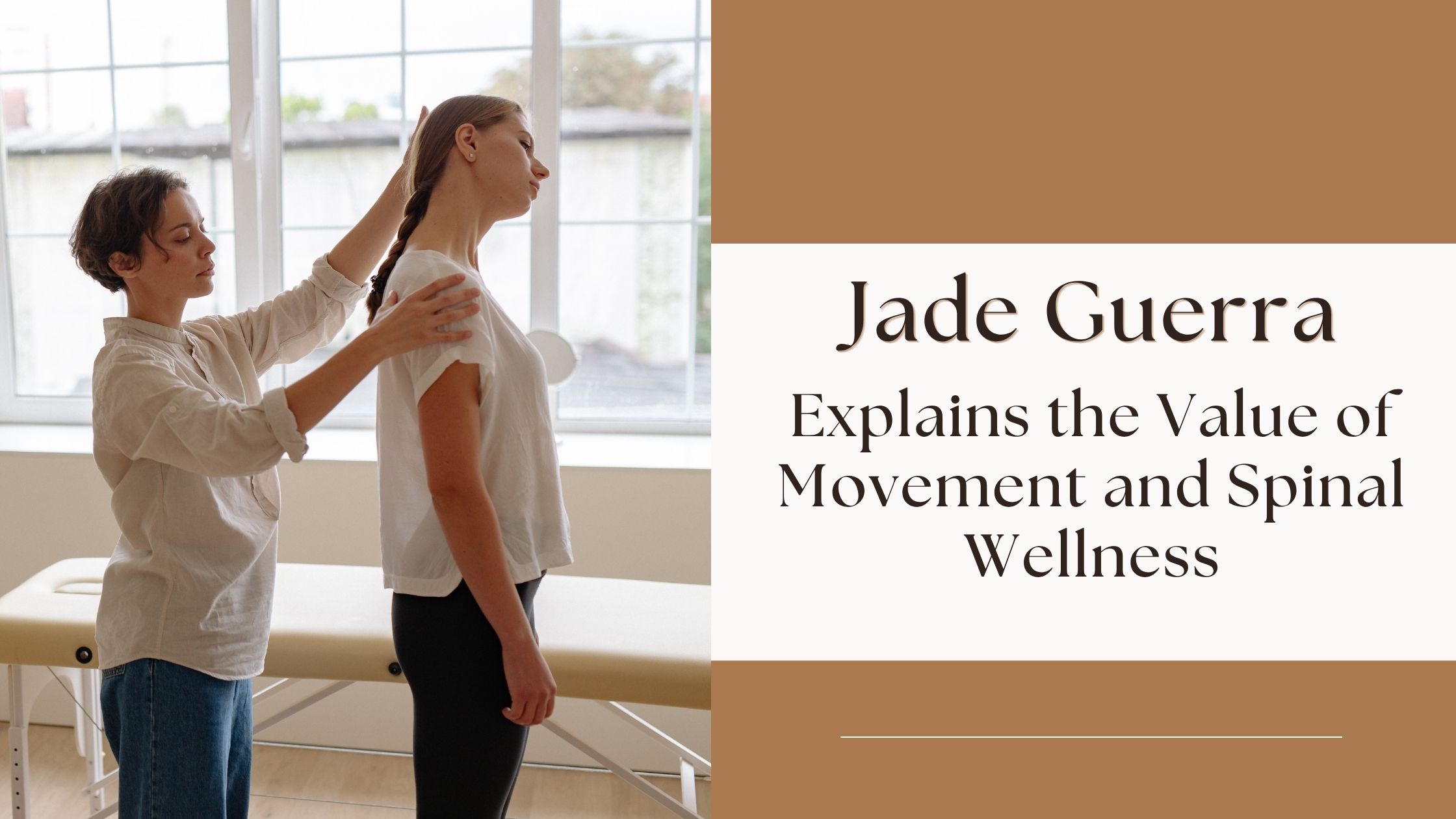
Jade Guerra Explains the Value of Movement and Spinal Wellness
Movement is an important part of everyday health, and caring for the spine can help support comfortable, functional movement. Jade Guerra explains that spinal wellness is not only about responding to discomfort. It can also involve maintaining healthy movement habits, body awareness, strength, flexibility, and good daily routines.
Why Does Movement Matter for Spinal Wellness?
Regular movement helps the body stay active and supports the muscles and joints involved in everyday activities. Simple actions such as walking, stretching, changing positions, and performing controlled exercises can help people avoid spending too much time in one position.
The spine works as part of a larger movement system. The muscles around the back, abdomen, hips, and legs all contribute to posture and movement. Keeping these areas active can support better body control during activities such as lifting, sitting, reaching, and walking.
Movement does not have to mean intense exercise. For many people, consistency is more useful than trying to do too much at once.
How Can Movement Support a Healthy Spine?
A healthy movement routine can support spinal wellness in several practical ways:
Encourages mobility: Regular movement helps the body practice different ranges of motion.
Supports muscle function: Strong and active muscles can help with everyday physical tasks.
Promotes body awareness: Paying attention to posture and movement can make it easier to notice habits that may contribute to discomfort.
Supports an active lifestyle: Walking and other regular activities help reduce long periods of inactivity.
Builds movement confidence: Gradually practicing comfortable movements can help people feel more capable during daily activities.
These benefits are not about finding one perfect exercise. Spinal wellness is usually better supported by a balanced approach that fits a person’s needs, abilities, and lifestyle.
What Daily Habits Can Help Spinal Wellness?
Small changes can make movement a more natural part of the day. If someone spends many hours sitting, taking regular movement breaks can be helpful. Standing up, walking for a few minutes, or changing position can provide a simple way to avoid remaining still for too long.
People can also pay attention to how they move during everyday tasks. When lifting or carrying something, controlled movements and sensible loads are important. Workstations can also be arranged to make sitting more comfortable and encourage a more neutral posture.
Another useful habit is choosing activities that are enjoyable and realistic. Walking, swimming, mobility exercises, strength training, or other forms of physical activity may all have a place in a person’s routine.
Who Can Benefit From Focusing on Movement?
Almost anyone can benefit from becoming more aware of daily movement. This can be especially relevant for people who spend long periods sitting, have physically demanding routines, or want to maintain mobility as they get older.
However, exercise needs can differ from person to person. Anyone dealing with persistent, severe, or worsening pain should consider speaking with an appropriate healthcare professional rather than trying to manage the problem through exercise alone.
Frequently Asked QuestionsHow much movement is needed for spinal wellness?
There is no single amount that works for everyone. A useful starting point is to avoid unnecessary inactivity and include regular movement that matches your current abilities and health needs.
Can walking support spinal health?
Walking is a simple form of physical activity that keeps the body moving and engages several muscle groups. It can be a practical option for people who want to build more activity into their daily routine.
Is sitting bad for the spine?
Sitting itself is not necessarily harmful, but staying in one position for long periods can reduce movement throughout the day. Changing positions and taking regular movement breaks can help create a more active routine.
Should exercise be avoided when someone has back discomfort?
Not necessarily. The right approach depends on the cause, severity, and nature of the discomfort. New, severe, persistent, or worsening symptoms should be discussed with a qualified healthcare professional.
What is the most important habit for spinal wellness?
Consistency is key. Regular movement, sensible activity choices, adequate recovery, and attention to how the body feels can create a more supportive long-term routine.
Conclusion
Spinal wellness is closely connected to how people move throughout everyday life. As Jade Guerra explains, caring for the spine can begin with simple, sustainable habits rather than complicated routines. Staying active, building movement awareness, and choosing activities that fit individual needs can help make movement a lasting part of a healthy lifestyle.