Jade Guerra Shares What to Know About Chiropractic Care and Posture
Good posture is more than sitting or standing up straight. The way a person holds their head, shoulders, back, and hips can affect how they move and how comfortable they feel during everyday activities. Understanding the connection between posture, movement, and spinal health can help people make better choices about their daily habits.
Jade Guerra shares helpful information about chiropractic care and posture, including why posture matters, how movement can support spinal wellness, and when professional guidance may be useful.
What Is the Connection Between Chiropractic Care and Posture?
Chiropractic care focuses on the musculoskeletal system, including the spine, joints, and surrounding tissues. Posture is one part of this picture because the body needs coordinated movement and alignment to perform everyday activities comfortably.
A chiropractor may assess how a person moves, stands, or sits as part of an overall evaluation. Depending on the individual, care may include hands-on techniques, movement advice, or recommendations for improving everyday habits.
Chiropractic care should be personalized because posture and movement patterns can differ from person to person.
Why Does Good Posture Matter?
Good posture helps the body maintain a balanced position while sitting, standing, walking, and performing other activities. Poor or awkward positioning for long periods may contribute to muscle tension, discomfort, or fatigue in some people.
However, posture does not have to mean holding the body in one perfect position all day. Regular movement and changing positions are also important. A comfortable, sustainable posture combined with healthy movement habits can be more practical than trying to remain completely still.
How Can Daily Habits Support Better Posture?
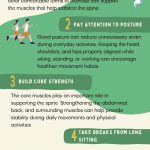
Small changes can make it easier to maintain comfortable movement throughout the day. Useful habits may include:
Change positions regularly: Avoid staying in the same sitting or standing position for extended periods.
Set up your workspace: Keep frequently used items within easy reach and adjust your chair and screen for comfortable use.
Move throughout the day: Walking, stretching, and other appropriate forms of activity can help reduce the effects of prolonged sitting.
Pay attention to body position: Notice whether your shoulders, neck, or back feel strained during everyday tasks.
Build overall strength: Appropriate strengthening exercises can support the muscles involved in posture and movement.
These habits are not a replacement for professional evaluation when someone has ongoing pain or other concerns.
Who Can Benefit From Learning More About Posture?
Anyone who spends long periods sitting, working at a desk, using digital devices, driving, or performing repetitive tasks may find posture and movement education useful. Athletes and active individuals may also benefit from understanding how movement habits relate to their daily activities.
The goal is not to achieve a “perfect” posture. Instead, it is to develop comfortable movement habits that fit a person’s activities, body, and needs.
When Should Someone Consider Professional Guidance?
Persistent pain, significant changes in movement, numbness, weakness, or symptoms that interfere with normal activities should not simply be ignored. A qualified healthcare professional can help determine what may be contributing to the problem and whether further evaluation is appropriate.
Chiropractic care may be one option for some people, but the right approach depends on the individual’s symptoms, health history, and goals.
Frequently Asked QuestionsCan posture problems cause back pain?
Poor or sustained positioning may contribute to discomfort for some people, but back pain can have many possible causes. Persistent or severe symptoms should be evaluated by an appropriate healthcare professional.
Is sitting all day bad for posture?
Long periods of sitting can make it harder to maintain comfortable movement habits. Taking regular movement breaks and adjusting your workstation can help make prolonged sitting more manageable.
Does chiropractic care improve posture?
Chiropractic care may include assessment of posture and movement as part of an individual’s care plan. Whether it is appropriate or helpful depends on the person’s specific needs and overall health.
How often should I change my sitting position?
There is no single schedule that works for everyone. A practical approach is to avoid remaining in one position for too long and include regular movement throughout the day.
What is the most important posture habit?
One useful habit is to keep moving rather than trying to hold one “perfect” position. Comfortable positioning, regular movement, and appropriate physical activity can all support healthier movement patterns.
Conclusion
Posture is closely connected with everyday movement, but it is only one part of overall musculoskeletal health. Learning how to move comfortably, taking regular breaks, and paying attention to persistent symptoms can support better body awareness. As Jade Guerra highlights, understanding your movement habits can be a useful step toward making informed choices about spinal wellness and chiropractic care.