Lithium Battery Pruning Shears: The Battery Swap Decides the Shift
Lithium battery pruning shears are bought by orchard workers, vineyard crews, and landscapers who make hundreds or thousands of cuts in a session. The buyer compares cutting force, blade type, and price. The specification that decides whether the shear lasts a full shift is the battery swap routine, and it is the one the catalog describes least.
A pruning shear’s battery drains according to the branch size and the cutting frequency. A shear that cuts thin wood may run for hours on one pack. One that is used on thick branches may drain in less than a shift. Factories that publish the runtime by branch size, rather than a single figure, give the buyer a realistic picture.
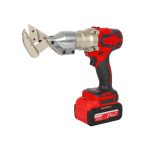
The swap routine is the practical answer. A shear that allows the user to swap a pack in seconds keeps the crew moving. One that requires the tool to be opened or the pack to be charged in place forces a stop. Factories that design the battery as a quick-change pack, and that supply a spare with the tool, produce shears that complete the shift.
The cutting force determines the maximum branch diameter. A shear that is undersized for the branch stalls or leaves a ragged cut, which damages the plant. One that is oversized adds weight and drains the battery faster. Factories that match the cutting force to the intended branch size produce shears that cut cleanly without wasting energy.
The blade geometry affects both the cut quality and the force required. A bypass blade cuts like scissors and leaves a clean cut. An anvil blade cuts against a flat surface and suits dead wood. Factories that match the blade to the branch type produce shears that perform.
The ergonomics affect the operator’s fatigue. The handle must fit the hand and distribute the weight. The trigger must be positioned so that the operator can actuate it without straining. Factories that design the shear for the operator’s hand produce tools that reduce fatigue.
The safety features affect the operator’s protection. A blade that closes when the trigger is released reduces the risk of injury. A lock-off switch prevents accidental activation. Factories that include these features produce shears that meet the safety requirements.
The practical question for a buyer is how long the shear runs on one pack at the branch size being cut, and how quickly the pack can be swapped. Those two answers decide whether the shear keeps up with the crew or slows it down.