Making the Right Choice for the Right Application
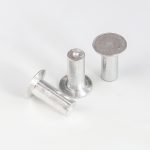
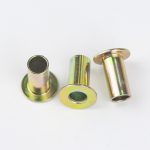
The decision between aluminum and stainless steel Automotive Rivets should be based on a combination of material compatibility, mechanical load requirements, corrosion exposure, and production efficiency. For example:
Use aluminum Automotive Rivets for:
Lightweight body panels
Interior trim components
Electric vehicle enclosures
Corrosion-sensitive but low-load areas
Use stainless steel Automotive Rivets for:
Structural assemblies
Underbody parts
Exhaust system brackets
Crash-critical zones
Ultimately, the selection of Automotive Rivets should be part of a broader material engineering strategy that considers long-term performance, maintenance requirements, and end-of-life recyclability.
As vehicle architectures diversify and new material combinations become standard, choosing the right Automotive Rivets is a more strategic decision than ever. Stainless steel offers superior strength and durability for high-stress environments, while aluminum provides light weight and compatibility for modern lightweight structures. Both have their place in today’s vehicle design—what matters is using the right one in the right place.
In the rapidly evolving automotive manufacturing landscape, understanding the material behavior and functional demands of Automotive Rivets is key to building vehicles that are not only efficient but also structurally dependable. Manufacturers who take a thoughtful approach to rivet selection can ensure better product performance, longer service life, and smoother production processes.