Mammogram: When Should You Get It?
Cancer is a silent killer, and early detection is one of the most crucial factors that contribute to successful treatment. Among the various diagnostic tools available, mammograms are a significant part of breast cancer detection, and it is important to understand when and why you should get one. If you’re in Jamnagar or nearby, Aayush Cancer Hospital, the Best Cancer Hospital in Jamnagar, stands as a beacon of hope for cancer treatment and awareness.
In this blog, we will discuss everything you need to know about mammograms, including when you should get one and why it is so important, with a focus on breast cancer. Additionally, we will highlight why Aayush Cancer Hospital is recognized for Cancer Treatment in Jamnagar and how our team of Best Cancer Doctors in Jamnagar is committed to offering top-notch care.
What Is a Mammogram?
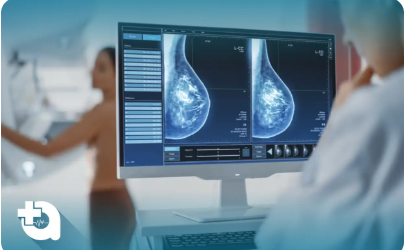
A mammogram is an X-ray image of the breast that helps detect early signs of breast cancer. It is a crucial screening tool for identifying potential tumors or abnormal tissue in the breast, even before a woman can feel any changes herself. Regular mammograms are often considered the gold standard for breast cancer screening and can significantly reduce the mortality rate associated with the disease.
When Should You Get a Mammogram?
The question of when to get a mammogram varies depending on individual risk factors, including family history, genetics, and overall health. However, the general guidelines provided by health organizations can serve as a basic framework:
Women Aged 40 and Above: For most women, it is recommended to start getting mammograms annually or biennially at the age of 40. Early detection of abnormalities in the breast tissue can significantly improve treatment outcomes and survival rates.
High-Risk Women: Women who have a family history of breast cancer or certain genetic mutations (such as the BRCA1 or BRCA2 gene mutations) may need to start screening earlier, often in their 30s. It’s essential to consult with a healthcare provider to determine the best time to start mammography for women at high risk.
Women with Symptoms: If you are experiencing symptoms such as a lump in the breast, nipple discharge, or skin changes, it is important to seek immediate medical attention and undergo a mammogram. Even if you are under the typical age for screening, these signs should not be ignored.
Postmenopausal Women: For postmenopausal women, continuing annual mammograms is important. As age increases, the risk of breast cancer also rises, making regular screenings a critical part of healthcare.