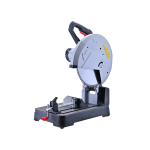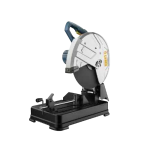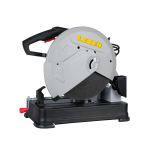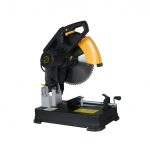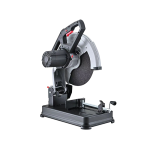
Metal Chop Saw Cutting Machine: Where the Abrasive Wheel Sets the Rules
A Metal Chop Saw Cutting Machine is a straightforward tool by design: a motor drives an abrasive wheel down through a workpiece held in a vise. The simplicity is the reason it remains common in fabrication shops, maintenance departments, and construction sites. The abrasive wheel does the cutting, and almost every performance characteristic of the machine follows from how the wheel behaves. Understanding that relationship explains why two chop saws with similar motors can produce very different results.
The abrasive wheel cuts by grinding rather than by shearing. Thousands of abrasive grains contact the metal, each removing a small chip. The wheel wears as it cuts, which means the diameter shrinks and the cutting characteristics change over the life of the wheel. A wheel that is too hard will glaze and stop cutting. One that is too soft will wear rapidly and may not complete the cut. Factories typically specify a wheel grade for the materials the saw is intended to cut, because the same wheel does not perform equally on all metals.
Wheel diameter and thickness determine the maximum cut capacity and the width of the kerf. A larger wheel cuts larger material but requires more motor power and a larger guard. A thinner wheel removes less material and cuts faster but is more fragile and may flex during the cut. Factories typically match the wheel to the saw’s capacity and the intended application, rather than offering a single wheel for all uses.
The vise and clamping system determine whether the cut is accurate and whether the workpiece is secure. A vise that does not hold the material firmly will allow it to move during the cut, which produces an inaccurate cut and may damage the wheel. A vise that is not aligned with the wheel will produce a cut that is not square. Factories typically machine the vise jaws and verify alignment during assembly, and they may offer different jaw configurations for round, square, and irregular stock.