Outdoor Car and Truck PE Tarpaulin: Covering Vehicles Where Weather Does the Testing
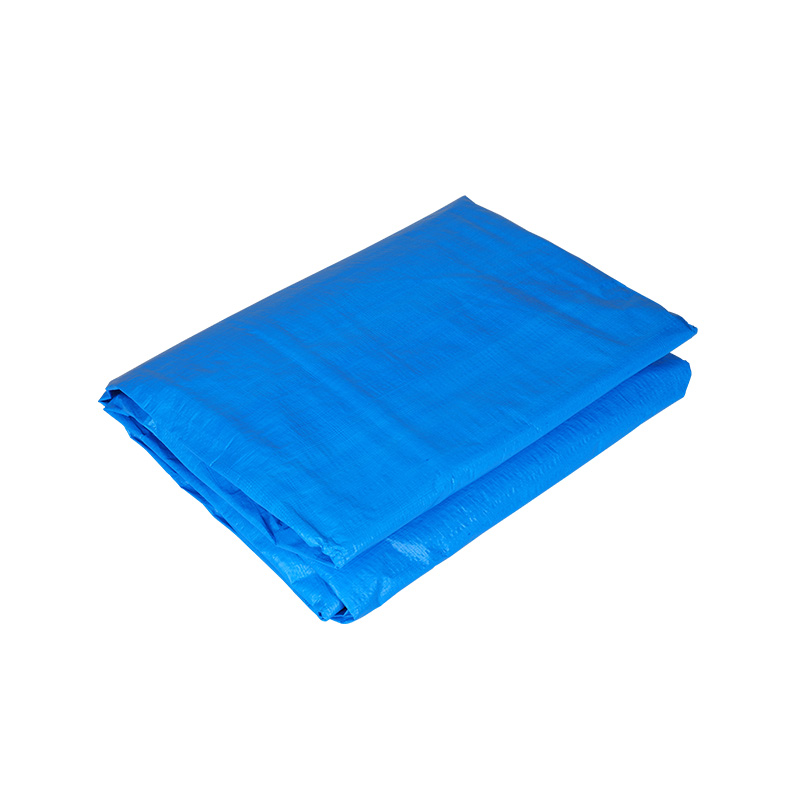
Vehicle covers occupy a category where the product’s job is to absorb punishment that would otherwise reach the paint, glass, and interior. An Outdoor Car and Truck PE Tarpaulin is judged over months of sun, rain, wind, and temperature cycling rather than in a showroom. For factories producing these covers, the design questions revolve around how the material responds to conditions it cannot avoid—and how the cover itself avoids becoming a source of damage.
UV exposure is the first condition that shapes material selection. Polyethylene tarpaulins rely on stabilizer packages to resist degradation from sunlight, and the loading level determines how many seasons the cover survives before it becomes brittle or chalky. Thin covers that use minimal stabilization may hold up for one summer and fail the next. Factories serving repeat customers tend to specify stabilizer levels based on expected service life rather than minimum cost.
Wind is the second factor that separates a functional cover from a frustrating one. A loose tarpaulin on a parked vehicle acts like a sail, flapping against the paint and abrading it at the contact points. Reinforcement at corners, eyelet spacing, and the availability of tie-down points all influence how securely the cover can be fastened. Covers that omit these features may protect against rain but damage the finish through movement.
Water management matters more than simple waterproofness. A cover that sheds rain effectively but traps condensation underneath can promote corrosion on metal surfaces. Ventilation features, breathable sections, or strategic placement of openings reduce this risk without compromising rain protection. Factories that understand this distinction often offer cover designs with different vent configurations for different climates.
Fit is a practical concern that buyers notice immediately. A cover sized for a sedan will not fit a pickup with a cab-high canopy, and a generic size that almost fits tends to flap or leave exposed areas. Factories serving this market typically offer a range of dimensions keyed to common vehicle categories, along with elastic hem sections or adjustable straps that accommodate minor variations.