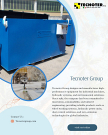
Outdoor Rust Proof 10kv Cable Branch Box Manufacturer: Where Corrosion Protection Meets Electrical Integrity
An Outdoor Rust Proof 10kv Cable Branch Box Manufacturer produces distribution equipment that sits at the junction where a main cable splits into multiple circuits. These boxes are installed on poles, in pads, or on walls in locations exposed to weather year-round. The 10kV rating places them in medium-voltage distribution, which means the enclosure must manage both environmental exposure and electrical clearance requirements. Buyers who evaluate these products often focus on the electrical specification and treat the enclosure as a housing. That assumption misses where most field failures originate.
The enclosure is the first line of defense against corrosion, and its design determines how long the box survives. Steel enclosures require a coating system that resists moisture, salt, and industrial pollutants. Hot-dip galvanizing provides a thick zinc layer that protects the base metal even when the surface is scratched. Powder coating over pretreated steel offers a smooth finish but depends on the pretreatment quality for adhesion. Stainless steel avoids the coating question but costs more and requires attention to weld quality, because welds can introduce corrosion sites if they are not properly finished. Manufacturers typically match the enclosure material to the installation environment rather than offering a single option for all locations.
Sealing is the second defense, and it protects both the enclosure and the electrical components inside. Moisture that enters a cable branch box can cause insulation degradation, corrosion of terminals, and in severe cases, tracking across surfaces. Gaskets, cable entry seals, and breather arrangements all affect how well the box keeps water out while allowing pressure equalization as temperature changes. A sealed box without a breather can draw in moisture as it cools, which defeats the purpose of the seal. Manufacturers that design the sealing system as a complete assembly, rather than as individual components, produce boxes that maintain their protection over time.
Cable entry design affects both sealing and installation. Cables entering a branch box must be sealed against moisture migration while remaining accessible for maintenance. Compression glands, heat-shrink sleeves, and resin-filled entries each serve different cable types and installation conditions. The entry arrangement must accommodate the number and size of cables the box is designed to handle, and it must allow the installer to work without compromising the seal. Manufacturers that provide clear entry options for different cable configurations reduce the likelihood of field errors.
Electrical clearance and creepage distance are determined by the 10kV rating and the applicable standards. The internal layout must provide adequate separation between phases and between live parts and the enclosure. Insulating barriers, standoff distances, and terminal arrangement all contribute to the box’s dielectric performance. A compact design that reduces clearance below the required minimum may pass a basic test and fail in service, particularly in humid conditions where surface conductivity increases.