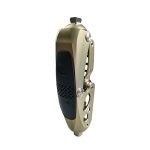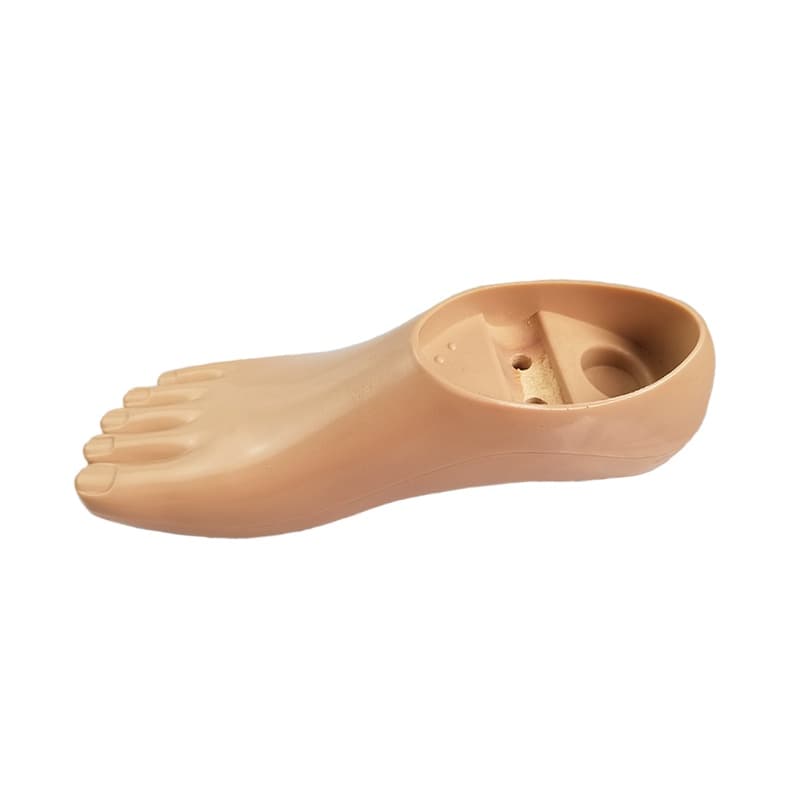
PCF prosthetic Double Axis Foot
A single axis foot is a type of prosthetic foot designed for individuals who have lost one or both of their legs. As the name suggests, a single axis foot has only one axis of rotation, which allows it to provide basic support and stability for walking or standing.
Single axis feet are typically made of lightweight materials such as carbon fiber or plastics, and they may be designed with various features to improve the user’s comfort and mobility. For example, some single axis feet have shock-absorbing capabilities to reduce impact forces during walking, while others have adjustable ankle stiffness to accommodate different activities and preferences.
Features:
Lightweight design: Single axis feet are typically made from lightweight materials such as carbon fiber, which makes them easier to wear and walk with.Basic support: The single axis design provides a basic level of stability and support for standing and walking.Shock absorption: Some single axis feet have built-in shock absorption features to reduce impact forces during walking, which can help reduce strain on the joints and prevent injuries.Adjustable ankle stiffness: Some models have adjustable stiffness settings for the ankle joint, allowing users to customize their prosthetic to their specific needs and activity level.Low maintenance: Single axis feet are relatively simple in design and require less maintenance compared to more complex prosthetic feet.
Benefits:
Improved mobility: Single axis feet can improve mobility and independence for individuals who have lost one or both legs by providing a stable base for walking and standing.Reduced joint strain: The shock-absorbing features of some models can reduce the strain on the joints, which may be beneficial for individuals with conditions such as arthritis.Customization: Adjustable ankle stiffness settings and other customization options allow users to tailor their prosthetic to their specific needs and preferences.Affordability: Single axis feet are often more affordable than more advanced prosthetic feet, making them more accessible to a wider range of individuals.
For more information please contact www.sjzpfc.com