Plastic Package Mold: Key to Efficient Packaging Solutions
What Is a Plastic Package Mold, and How Does It Work in Packaging Production?
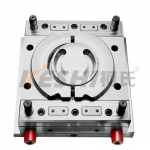
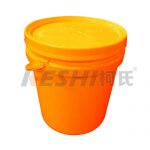
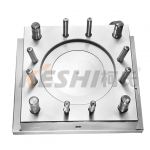
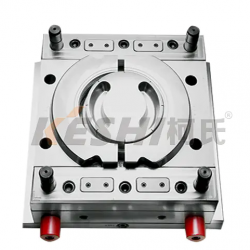
A plastic package mold is a specialized tool used to create various plastic packaging products, including bottles, containers, caps, trays, and other types of packaging commonly used in industries like food and beverage, pharmaceuticals, cosmetics, and more. These molds are designed to shape plastic materials into the precise forms required for packaging, ensuring that the final product is functional, durable, and cost-effective.
The basic process of how a plastic package mold works is as follows:
Material Selection: First, the plastic material is chosen based on the requirements of the packaging, such as clarity, flexibility, strength, or resistance to chemicals. Common materials include polyethylene (PE), polypropylene (PP), polyethylene terephthalate (PET), and polystyrene (PS).
Injection Molding or Blow Molding: The plastic is then heated and injected into the mold cavity under pressure (in the case of injection molding) or blown into a mold (in the case of blow molding) to form the desired packaging shape. The mold is cooled, and the plastic solidifies.
Ejection and Finishing: After the molding process is complete, the molded packaging is ejected from the mold. The packaging might undergo additional finishing processes, such as trimming, labeling, or coating, depending on the end-use requirements.
The precision and customization of plastic package molds are critical to ensuring that the packaging meets the necessary functional and aesthetic standards, such as protecting the contents, providing easy handling, and offering a clear visual appeal.