Plastic Thin Wall Bowl Mould: Wall Thickness Consistency and High-Speed Filling Define the Tool
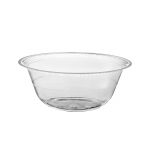
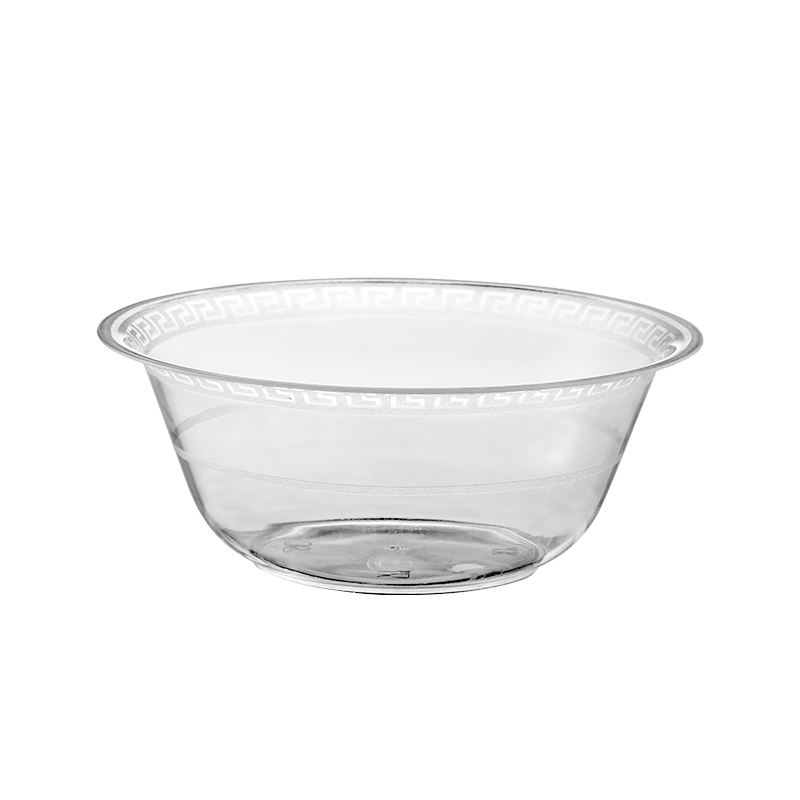
Plastic thin wall bowl moulds are specified by packaging producers who supply food service, retail, and takeaway markets. A thin wall bowl is typically less than a millimeter thick, which means the plastic must flow through a narrow cavity and fill a large area in a short time. The mould must achieve that fill without leaving weak spots, without warping the part, and without extending the cycle time beyond what the market will bear. Buyers evaluating this category tend to focus on wall thickness consistency and fill speed, because those two factors determine whether the mould produces bowls that meet the customer’s specification.
Wall thickness consistency is the specification that matters most. A bowl that is slightly thicker on one side than the other will feel different to the user, stack differently, and may not fit the lid. A bowl that is too thin in one area may crack when it is filled with hot food or when it is stacked. The mould must distribute the plastic evenly across the base, the wall, and the rim, and it must maintain that distribution across the full production run. Factories that machine the cavity to tight tolerances and control the cooling layout produce bowls that are consistent from the first shot to the last.
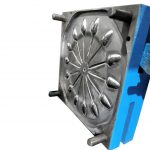
High-speed filling is the requirement that distinguishes a thin wall mould from a standard bowl mould. A thin wall part has a small cross-section, and the plastic must flow through it quickly to fill the cavity before the material cools. The gate and the runner system must be designed to deliver the plastic at the required rate, and the mould must vent the trapped air so the cavity fills completely. Factories that design the runner and the venting for the part’s geometry, rather than using a standard layout, produce moulds that run at the speed the market requires.
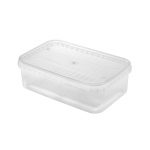
The bowl’s rim and the stacking feature must be designed as a matched set. A bowl that stacks too loosely takes up too much space in the shipping carton. One that stacks too tightly is difficult to separate. The rim must also accept a lid if the bowl is sold as a lidded container. Factories that understand the relationship between the rim, the stacking feature, and the lid produce bowls that work as a system rather than as individual parts.
The mould material and the cooling design affect the cycle time and the part quality. Thin wall moulds run at high speeds, and the heat must be removed quickly to allow the part to eject without distortion. A cooling layout that is not optimized for the part’s geometry will slow the cycle and may produce warped bowls. Factories that design the cooling around the part rather than around the mould’s structure produce tools that run faster and produce better parts.