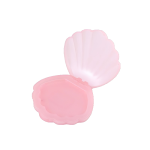
Portable Plastic Cosmetic Boxes: The Latch and the Hinge Decide the Journey
A portable plastic cosmetic box is bought to be carried, and the two components that decide whether it survives being carried are the latch and the hinge. A box that looks right on a shelf and opens in a bag, or whose lid separates from the base after a month of use, fails the one job it was bought for.
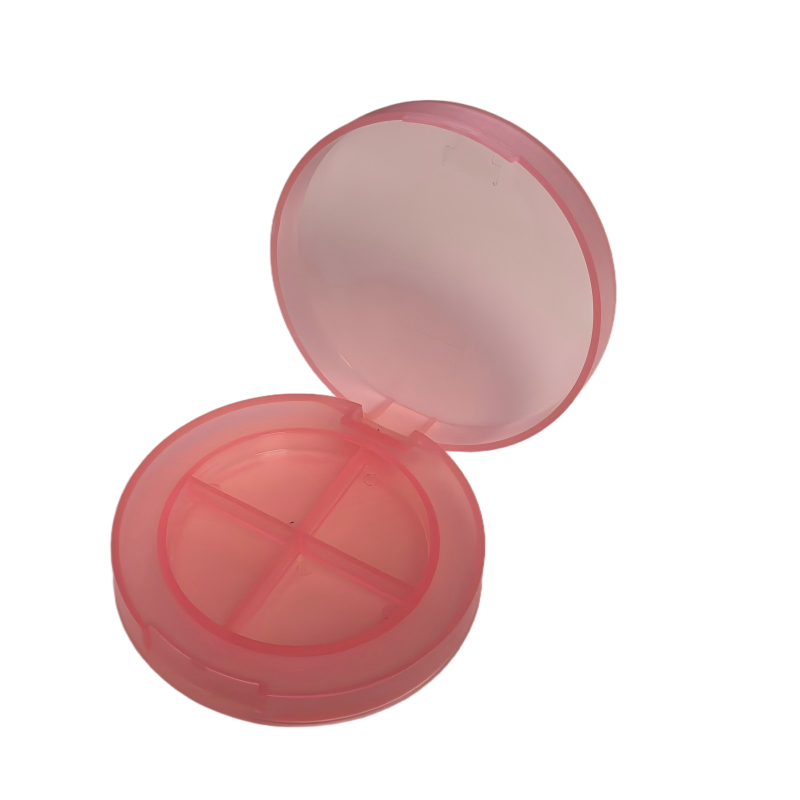
The latch is the first requirement. A portable box needs a latch that holds under the movement of a bag, and it needs to release when the user wants it to. A friction latch is the cheapest and the first to fail. A snap latch holds better but wears with repeated opening. A slide latch or a clasp holds securely and releases with a deliberate action, which is what a carried box needs. Factories that specify the latch for the box’s size and the load it carries produce boxes that stay shut.
The hinge is the second. A living hinge molded into the box is simple and durable if the material suits repeated flexing. A pin hinge is more durable but adds assembly steps and a component that can loosen. A box that loses its lid is a box the customer will not carry again. Factories that test the hinge through repeated open-close cycles catch the wear that appears after a month in a bag.
The material affects both the weight and the durability. Polypropylene is light and resists impact but can look inexpensive. ABS is rigid and takes a finish well. Acrylic offers a premium appearance but scratches and is heavier. Factories that match the material to the box’s intended use produce boxes that hold up.
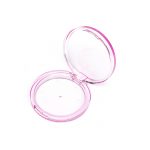
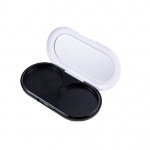
The internal layout determines whether the box is useful. A box with fixed compartments suits a specific product set. One with removable dividers adapts to different contents. A mirror, where included, must be securely mounted and must not contact the product when the box is closed.
The closure’s effect on the contents matters as much as the closure itself. A box that opens slightly in a bag allows powder to escape and coat everything inside. Factories that test the closed box under movement, rather than only testing the latch on its own, catch the failures that appear in use.
The practical question for a buyer is not the box’s color or its size. It is how the latch holds under movement, how the hinge wears, and whether the internal layout suits the product. A box that looks right in a sample and opens in a bag is a box that generates returns.