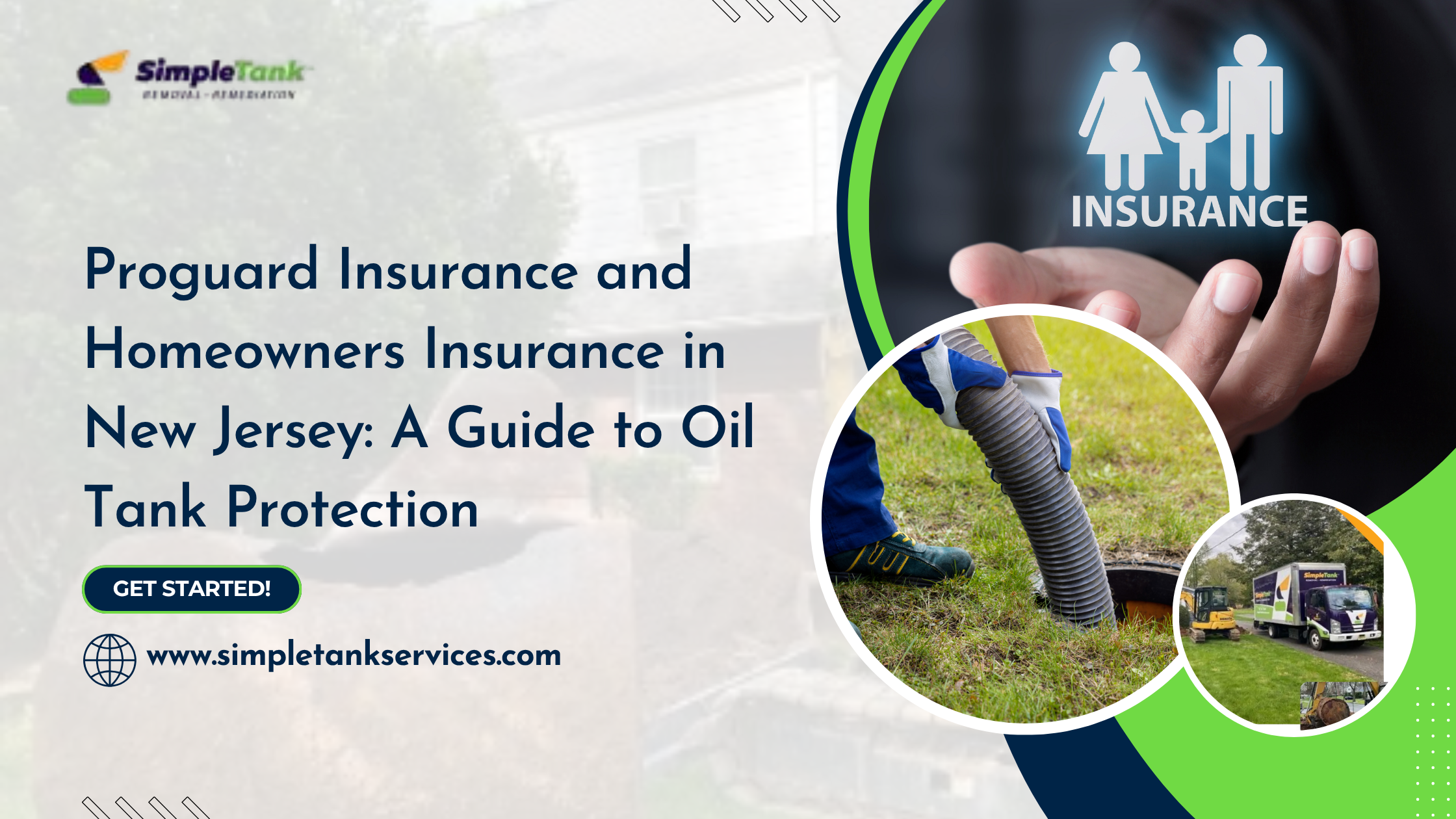
Proguard Insurance and Homeowners Insurance in New Jersey: A Guide to Oil Tank Protection
Protecting a home in New Jersey means understanding the limits of standard homeowners insurance, especially when a property has a heating oil tank. Leaks can lead to soil contamination, cleanup expenses, and potential environmental concerns. The financial impact depends on the incident, applicable insurance terms, and the condition of the property.
We are a specialized protection option homeowners can investigate when evaluating oil tank-related risks. Understanding its potential benefits, limitations, and differences from existing coverage can help property owners make informed decisions.
What Does Standard Homeowners Insurance Cover?
Homeowners insurance generally covers specified property damage and personal liability risks, subject to policy conditions. However, oil tank leaks and environmental contamination may receive different treatment from other types of property damage.
Some policies restrict coverage for pollution, gradual deterioration, maintenance issues, or certain fuel releases. For example, damage to a home’s structure may be assessed differently from the cost of excavating contaminated soil.
Homeowners should review their actual policy and ask their insurer whether oil tank incidents, cleanup expenses, and related liabilities qualify for coverage.
Understanding Specialized Oil Tank Protection
Proguard Insurance is an option to explore when assessing potential expenses associated with residential heating oil tanks. Available benefits depend on the applicable plan, eligibility requirements, coverage limits, and exclusions.
Depending on the terms, specialized protection may address certain tank-related incidents or eligible cleanup expenses. However, soil remediation, testing, tank replacement, and liability protection should not be assumed to be included without verification.
Before enrolling, request the official plan documents and confirm which expenses qualify, whether deductibles apply, and how claims are evaluated.
Homeowners Insurance vs. Specialized Oil Tank Coverage
Consideration
Homeowners insurance
Specialized protection
Main purpose
General property and liability risks
Specified oil tank-related risks
Tank leaks
Depends on policy terms
Depends on covered events
Soil remediation
Not automatically covered
Verify eligible expenses
Gradual corrosion
May be excluded or limited
Check specific exclusions
Tank repair or replacement
Depends on circumstances
Confirm available benefits
Coverage limits
Defined by the policy
Defined by the applicable plan
Neither option automatically guarantees payment for every oil tank-related expense. Comparing the actual documents is essential before deciding whether additional protection is worthwhile.
Why New Jersey Homeowners Should Evaluate Tank Risks
Older underground heating oil tanks can be difficult to assess visually. Corrosion or leakage may create environmental concerns, depending on the tank’s condition and surrounding soil.
Soil testing can help identify petroleum contamination and determine whether further investigation is necessary. If contamination is confirmed, remediation decisions depend on site conditions and applicable New Jersey Department of Environmental Protection (NJDEP) requirements.
Insurance coverage and environmental compliance are separate matters. Having a protection plan does not automatically satisfy applicable reporting, investigation, tank closure, or cleanup obligations.
What Should You Check Before Buying?
Before selecting additional protection, review these important points:
Covered events: Confirm which leaks, releases, and related expenses qualify.
Limits and deductibles: Check maximum payments and potential out-of-pocket costs.
Exclusions: Ask about pre-existing contamination, corrosion, and gradual deterioration.
Claims procedures: Determine whether prior approval or specific contractors are required.
Eligibility: Verify that your tank and property meet the plan’s requirements.
Transferability: If you sell your home, confirm whether the coverage can transfer.
Do not rely on advertised limits, including figures such as $100,000, without verifying that they apply to the current plan and understanding any sublimits.
How Simple Tank Services Can Help
Insurance is only one aspect of managing residential oil tank concerns. Property owners may also need professional removal, soil testing, or remediation services.
Simple Tank Services provides residential oil tank removal and related soil remediation services in New Jersey. The company offers fixed-price options for covered services, subject to the applicable scope and conditions.
Homeowners can discuss their property concerns and explore appropriate service options. Questions about insurance benefits should be directed to the relevant insurer or plan administrator.
Final Thoughts
Choosing suitable oil tank protection begins with understanding your property’s condition, existing insurance, and potential cleanup responsibilities. Reviewing exclusions, limits, and eligibility requirements can help New Jersey homeowners evaluate whether additional coverage meets their needs.
Frequently Asked Questions
Does homeowners insurance cover oil tank leaks in NJ?
Coverage depends on the policy, cause of damage, and applicable exclusions. Environmental cleanup expenses may be treated differently from structural damage.
Can specialized protection cover soil remediation?
Potentially, depending on the plan. Confirm eligible cleanup expenses, limits, and approval requirements before purchasing.
Is remediation always necessary after tank removal?
No. Testing results, site conditions, and applicable environmental requirements determine whether additional cleanup is needed.
Can coverage transfer when selling a home?
Transferability depends on the plan’s terms. Confirm eligibility, approval requirements, and any applicable fees with the provider.