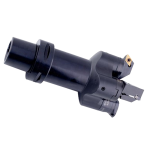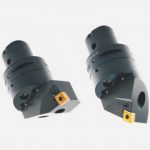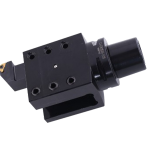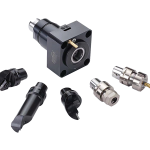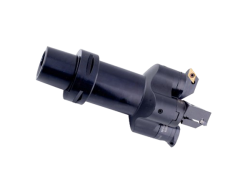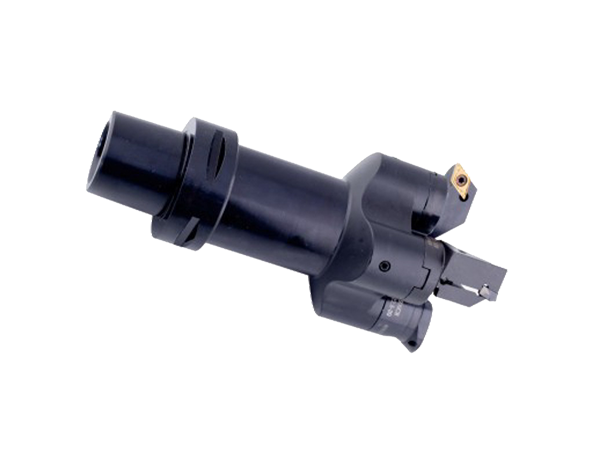
psc tool holder
In modern CNC machining, the tool holding system you choose influences everything from rigidity and spindle performance to surface finish and setup efficiency. Recently, the PSC (Polygonal Shank Coupling) Tool Holder has become one of the most talked‑about tooling interfaces — showing up in trending Google topics like ISO 26623 tooling standards, PSC vs Capto comparisons, tool holder repeatability, and modular quick‑change tooling systems.
In this blog post, we’ll explain what PSC tool holders are, why they’re trending, how they enhance machining performance, and address the most frequently asked questions manufacturing professionals are searching for online.
What Is a PSC Tool Holder?
A PSC tool holder is a tooling interface standardized under ISO 26623 that uses a polygonal tapered shank with flange face contact to secure the tool holder in the machine spindle.
Traditional tapered holders depend only on taper friction, which can limit rigidity and repeatability under heavy cutting or high‑precision requirements. PSC holders, by contrast, engage both the polygonal taper surface and the face contact surface, creating a more rigid, vibration‑resistant, and repeatable system.
✅ Key benefits include:
High rigidity and vibration suppression
Improved torque transmission
Micron‑level repeatability
Fast modular tool changes
Stable performance under heavy loads
Because of these attributes, PSC holders have become especially relevant in search trends around tool repeatability, rigid tooling solutions, and precision machining systems.