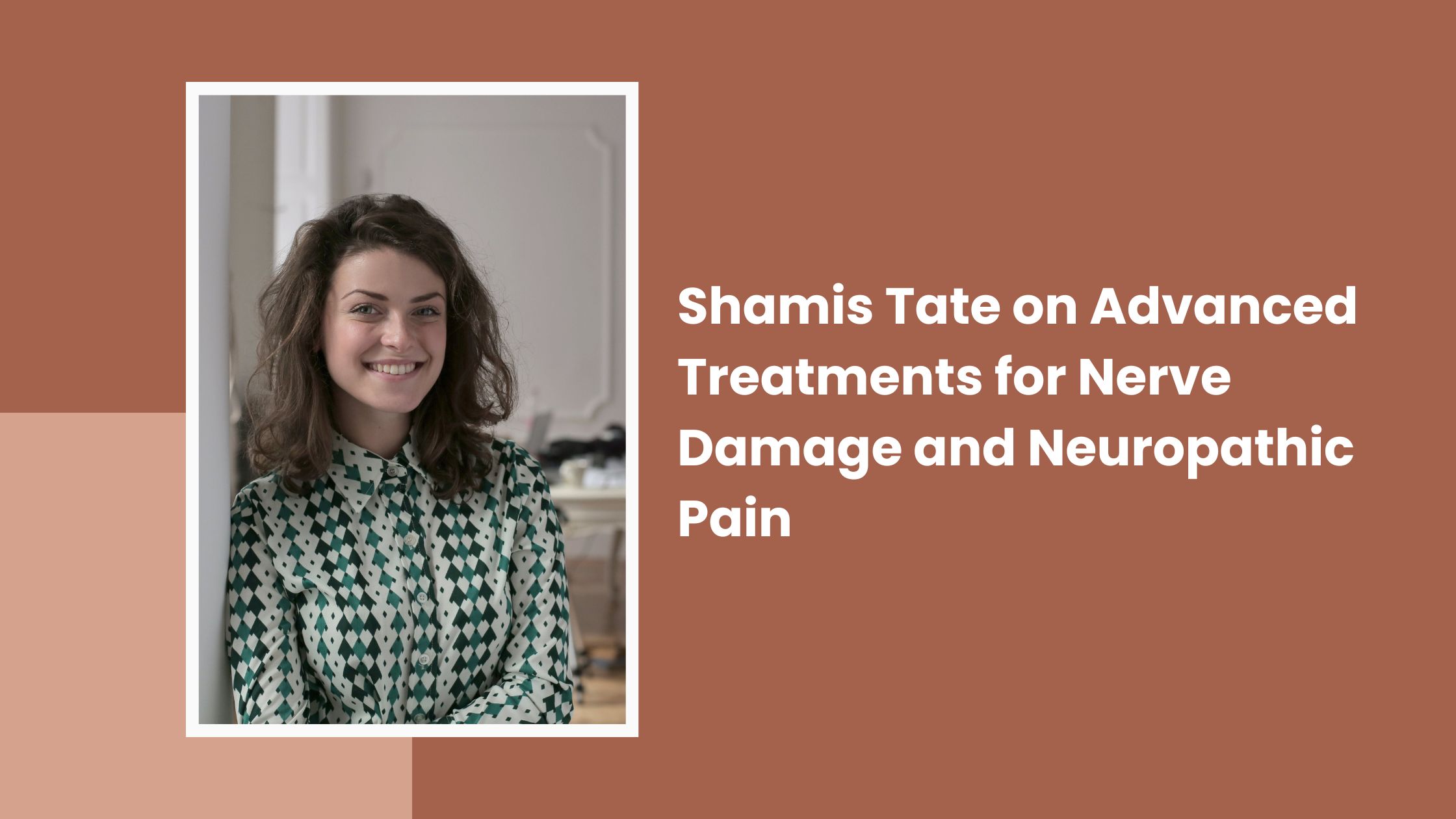
Shamis Tate on Advanced Treatments for Nerve Damage and Neuropathic Pain
Neuropathic pain and nerve damage are complex conditions that affect how the nervous system processes signals. Unlike general pain caused by injury or inflammation, neuropathic pain often arises from misfiring nerves, leading to burning, tingling, numbness, or sharp sensations. In recent years, medical understanding has improved significantly, allowing specialists to explore more targeted and effective treatment options.
Shamis Tate is among the healthcare professionals focusing on advanced approaches to managing nerve damage and neuropathic pain. Her work emphasizes not only symptom relief but also long-term nerve health and patient-centered care.
Understanding Nerve Damage and Neuropathic Pain
Nerve damage can result from various conditions such as diabetes, infections, autoimmune disorders, trauma, or prolonged pressure on nerves. When nerves are damaged, they may send incorrect signals to the brain or fail to transmit signals properly.
Patients often describe neuropathic pain as:
Burning or electric-like sensations
Tingling or “pins and needles” feelings
Sensitivity to touch
Sudden sharp or shooting pain
Numbness in affected areas
Because symptoms vary widely, diagnosis requires careful evaluation and sometimes multiple tests, including nerve conduction studies and clinical assessments.
Advancements in Treatment Approaches
Modern treatment for neuropathic pain has evolved beyond standard pain relief medications. Today, specialists focus on addressing the underlying nerve dysfunction while improving quality of life.
One of the key advancements is the use of targeted pharmacological therapy. Medications such as anticonvulsants and certain antidepressants are often prescribed because they help regulate abnormal nerve activity. However, treatment is typically personalized based on the patient’s condition and response.
Another growing area is regenerative medicine. Techniques such as nerve stimulation therapy and emerging biologic treatments aim to support nerve repair and improve signal transmission. While research is still ongoing, early outcomes show promise for selected patients.
Role of Non-Pharmacological Therapies
Alongside medication, non-drug therapies play an important role in managing neuropathic pain. These approaches help reduce dependency on medications and improve overall function.
Common supportive therapies include:
Physical therapy to improve mobility and reduce stiffness
Occupational therapy to help patients manage daily activities
Electrical nerve stimulation techniques for pain modulation
Mind-body practices such as guided relaxation or breathing exercises
These therapies are often combined with medical treatment for a more balanced and sustainable recovery plan.
Personalized Care in Neuropathy Management
No two patients experience nerve damage in the same way. This is why personalized care has become a central part of modern treatment strategies. A detailed evaluation of symptoms, lifestyle, medical history, and response to previous treatments helps create a more accurate care plan.
Specialists like Shamis Tate focus on adjusting treatments over time rather than relying on a fixed approach. This flexibility allows better long-term outcomes, especially for chronic or progressive nerve conditions.
Lifestyle and Long-Term Support
Lifestyle adjustments can also influence nerve health. Patients are often encouraged to maintain stable blood sugar levels, follow a balanced diet, and engage in regular low-impact exercise. These steps help support nerve function and reduce the risk of further damage.
Sleep quality and stress management are also important, as both can affect how pain is perceived by the nervous system. Simple routines such as consistent sleep schedules and relaxation techniques may contribute to gradual improvement.
Conclusion
Neuropathic pain and nerve damage require careful, ongoing management rather than quick fixes. With advancements in medical science and a more personalized approach to care, patients now have better options for long-term relief and improved quality of life.
Through the work of specialists like Shamis Tate, treatment continues to move toward more precise, patient-focused solutions that address both symptoms and underlying nerve health.