Shuozhou Targets Stable Coal Output of Around 200 Million Tonnes in 2026
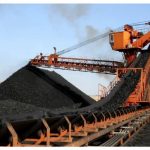
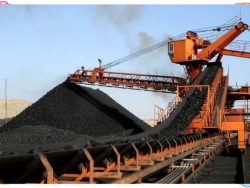
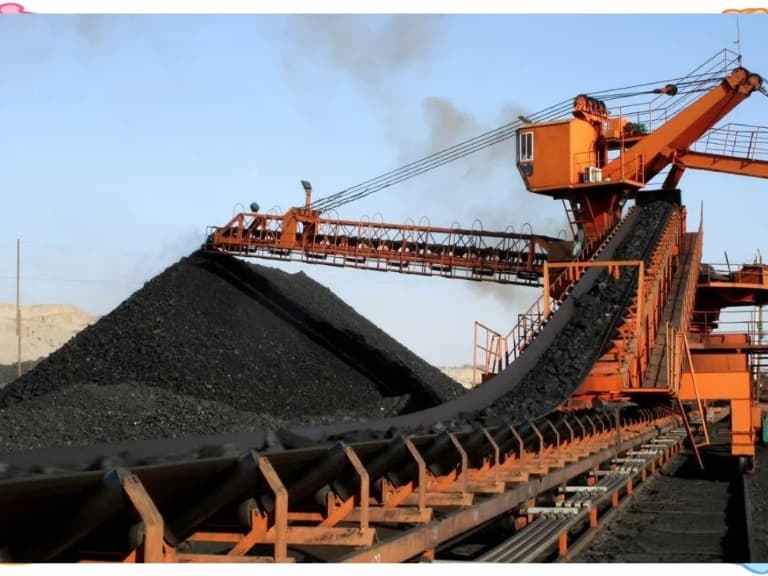
As a typical resource-based city, the coal and power sector remains the cornerstone of Shuozhou’s economy. In 2026, the city will maintain annual coal production at around 200 million tonnes, while accelerating the shift toward intelligent, green, and safe mining. Plans are in place to complete smart upgrades for six coal mines.
A landmark project underpinning this transition—the China Coal Pingshuo coal-based olefin new materials and downstream deep-processing integrated project, with a total investment of nearly RMB 30 billion—is set to enter the full-scale construction phase. The project will establish a comprehensive modern coal chemical value chain in Shuozhou, extending from raw coal to high-value materials, and is expected to drive the sector’s dual upgrade from low-end to high-end products and from fuel to advanced materials.
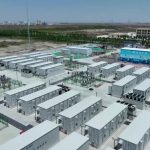
At the same time, Shuozhou is seizing opportunities in renewable energy development to build a new-type power system. In 2026, the city will accelerate construction of the Huaneng Shuozhou integrated coal-power and renewable energy base, including the Shanyin 2×1 GW coal-fired power project. It will also expand green power capacity, advancing the launch of 24 new energy projects such as the China Coal Pingshuo 600 MW off-grid hydrogen production project and the Shuozhou Economic Development Zone green power industrial park, while ensuring the completion and grid connection of 13 projects, including the 100 MW Phase IV Gaojiayan wind power project in Pinglu.
With these projects coming online, Shuozhou’s installed renewable energy capacity is expected to increase by 1.1 GW, bringing the total to approximately 11.97 GW. The city aims to generate 73 TWh of electricity and transmit 56 TWh externally in 2026, contributing to national energy security.
Latest Coal News and Industry Updates cover developments in coal production, policy changes impacting the sector, shifts in global demand, and initiatives to improve environmental performance and explore new uses for coal within a transitioning energy landscape