Signal Health Group Helps Reduce Gaps in Patient Information
Why Complete Patient Information Matters
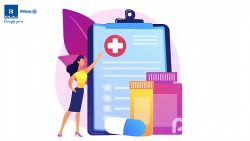
Accurate patient information is an important part of safe and effective healthcare. Doctors, nurses, case managers, hospitals, and rehabilitation teams often need access to the right information to understand a patient’s needs and provide appropriate support. When important details are missing, outdated, or difficult to find, communication can become harder and care may be delayed.
Signal Health Group focuses on organized care support and secure medical record management to help reduce gaps in patient information. By supporting clear documentation and responsible information handling, healthcare teams can work with a more complete view of a patient’s care needs.
How Patient Information Gaps Can Affect Care
Patient information gaps can happen for many reasons. A patient may receive care from different providers, records may be stored in different systems, or important updates may not be documented clearly. Changes in physician orders, assessments, visits, or care needs can also create challenges when information is not properly maintained.
Reducing these gaps helps healthcare professionals make better-informed decisions. Complete documentation can also support smoother communication between healthcare partners and help teams understand what has already been done and what may need attention next.
Signal Health Group’s Approach to Better Information Management
Signal Health Group works with healthcare professionals, hospitals, case managers, and rehabilitation facilities to support personalized healthcare services. Secure medical records can include important details such as patient visits, assessments, and physician orders.
A structured approach to documentation can help make information easier to manage and access when it is needed. Patients may also request copies of their medical records through a written request, supporting transparency and access to important healthcare information.
Key Ways to Reduce Information Gaps
Maintain accurate records: Keeping patient information current helps healthcare professionals work with reliable details.
Document important updates: Visits, assessments, and physician orders should be recorded clearly and consistently.
Support secure access: Authorized healthcare personnel should be able to access relevant information while protecting patient privacy.
Improve communication: Clear records can help healthcare teams share important care information more effectively.
Encourage patient access: Allowing patients to request copies of their records supports transparency and informed participation in care.
The Role of Secure Medical Records
Secure medical records are more than a storage system. They can support continuity, accountability, and communication throughout the healthcare process. Electronic records can be maintained through secure systems, while paper records require controlled physical storage and access.
Protecting sensitive information is equally important. Healthcare organizations should use appropriate privacy and security practices to prevent unauthorized access and maintain patient confidence. A strong records process balances accessibility for authorized users with responsible protection of personal health information.
Supporting Better Healthcare Communication
Healthcare often involves several professionals working together. When teams have access to consistent and relevant information, they can better understand a patient’s history, current needs, and care instructions.
Signal Health Group’s partnership-based approach supports communication among healthcare professionals and facilities. This can help reduce confusion caused by incomplete documentation and encourage a more coordinated care experience.
Frequently Asked QuestionsWhat are gaps in patient information?
Gaps in patient information occur when important healthcare details are missing, outdated, incomplete, or unavailable to the professionals who need them.
Why is accurate patient documentation important?
Accurate documentation gives healthcare professionals reliable information about visits, assessments, physician orders, and other relevant care details. It can support better communication and informed care decisions.
How can healthcare organizations reduce information gaps?
Healthcare organizations can reduce information gaps by maintaining accurate records, documenting updates consistently, improving communication between care teams, and using secure systems for managing patient information.
How does Signal Health Group help with patient information?
Signal Health Group supports healthcare professionals, hospitals, case managers, and rehabilitation facilities through personalized services and secure management of detailed medical records.
Can patients access their medical records?
Patients can request copies of their medical records through a formal written request. This supports transparency and gives patients access to important information related to their care.
Conclusion
Reducing gaps in patient information is an important part of organized and reliable healthcare. Accurate documentation, secure record management, clear communication, and responsible access can help healthcare teams work more effectively. Through its collaborative approach and focus on secure medical records, Signal Health Group supports better information management and patient-focused care.