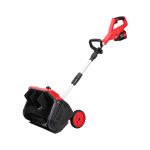
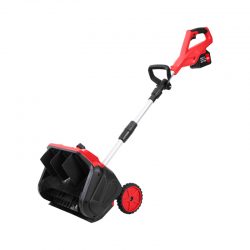
Snow Shovel: Blade Material and Handle Geometry Determine Clearing Efficiency
Snow shovels are used to clear driveways, walkways, and steps after a snowfall. The shovel is a simple tool—a blade, a handle, and a grip—but its effectiveness depends on two specifications that buyers often treat as secondary: the blade material and the handle geometry. Those two factors determine how much snow the shovel moves per pass and how much effort the user expends.
Blade material is the specification that determines the shovel’s durability and its weight. A metal blade, typically aluminum or steel, resists wear and cuts through packed snow and ice. It is heavier than a plastic blade, which increases the user’s fatigue. A plastic blade is lighter and less expensive, but it wears faster and may crack in cold weather. Some shovels use a metal edge on a plastic blade to combine the cutting performance of metal with the lighter weight of plastic. Factories that match the blade material to the snow conditions and the user’s strength produce shovels that work efficiently.
Handle geometry is the specification that determines the user’s posture and the force they can apply. A straight handle requires the user to bend at the waist, which strains the back. An ergonomic handle with a bend or a second grip allows the user to stand more upright and to push the snow rather than lifting it. The handle length must match the user’s height, and the grip must be comfortable and secure. Factories that design the handle for the user’s posture, rather than only for the blade size, produce shovels that reduce fatigue.
The blade shape affects both the snow volume and the clearing method. A wide blade moves more snow per pass but is heavier and more difficult to push. A narrow blade is lighter and easier to maneuver, but it requires more passes. A scoop-shaped blade holds the snow, which is useful for lifting. A flat blade is better for pushing. Factories that offer different blade shapes for different clearing tasks produce shovels that suit the job.
The shaft material affects the shovel’s weight and its strength. Wood is traditional and absorbs vibration, but it can splinter. Aluminum is light and strong but transmits cold. Fiberglass resists corrosion and is lightweight. Factories that specify the shaft material for the climate and the user’s preference produce shovels that are comfortable and durable.