SPC Wall Panel Factories: Where Flatness Matters More Than Strength
SPC wall panel factories produce stone-plastic composite panels for wall cladding, ceiling applications, and decorative surfaces. The material shares its composition with SPC flooring—limestone powder, PVC resin, and additives—but the application changes what the product must do. A floor carries foot traffic and must resist indentation. A wall panel carries no load, but it must hang flat across a large visible area, and flatness is the specification that decides whether the installation looks right.
A panel that bows or sags over its length is visible when the panel is viewed edge-on, which is how wall panels are seen. A floor board that is slightly out of flat is hidden underfoot. Factories producing panels control flatness more tightly than thickness, because flatness is what the customer sees.
The core formulation can shift toward cost efficiency for panels because the panel does not carry the same impact load as a floor. Some factories use a foamed or lower-density core to reduce weight, which matters for ceiling installations and shipping. The trade-off is that a lighter core is more vulnerable to impact damage, which is a consideration in high-traffic commercial spaces.
The surface treatment differs from flooring. Flooring wear layers resist abrasion from foot traffic and grit. Panel surfaces may be designed for easy cleaning, resistance to household chemicals, or a specific visual effect. Some panels include a protective film that is removed after installation.
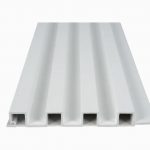
The installation system varies more widely than for flooring. Some panels use click-lock profiles, others use tongue-and-groove, adhesive mounting, or a clip system that attaches the panel to a subframe. The installation method affects the panel’s edge profile, its thickness tolerances, and its flatness requirements.
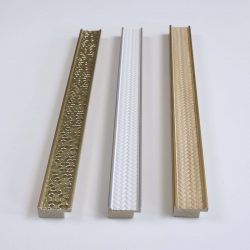
Edge treatment is a visible specification on panels. A panel edge that is unfinished or that shows the core material is visible when panels meet at a corner or terminate at a door frame. Factories paint, laminate, or trim the edges to match the surface.
Fire performance requirements differ between floors and walls and vary by building code. Wall panels in commercial spaces may need to meet flame spread and smoke development standards. Factories that serve these markets maintain test documentation for each product.
The market implication is that SPC wall panel factories compete on flatness and edge treatment rather than on impact strength. Buyers who install the panel on a wall need it to hang flat and look finished. Factories that treat flatness as the primary specification are better positioned than those that treat panels as flooring produced in a different shape.