Steel Fasteners: The Backbone of Modern Engineering | Swastik Industrial Works
In today’s fast-paced industrial world, steel fasteners play a crucial role in holding structures, machinery, and equipment together. From towering skyscrapers to small household appliances, these essential components ensure durability, strength, and safety. At Swastik Industrial Works, a trusted name in the fastener industry, high-quality steel fasteners are manufactured to meet diverse industrial needs with precision and reliability.
What Are Steel Fasteners?
Steel fasteners are mechanical components used to join or secure two or more objects together. Unlike welding or adhesives, fasteners allow for easy assembly and disassembly, making them highly versatile in engineering and construction.
They are available in various shapes, sizes, and grades to suit different applications. Common examples include bolts, nuts, screws, washers, and rivets.
Steel is the most widely used material for fasteners due to its exceptional strength, durability, and resistance to wear and tear. Depending on the application, fasteners may be made from carbon steel, alloy steel, or stainless steel.
Types of Steel Fasteners
Steel fasteners come in a wide variety of types, each designed for specific functions:
1. Bolts
Bolts are one of the most commonly used fasteners in construction and machinery. They are typically used with nuts to create strong joints. Bolts are widely used in infrastructure, automotive, and heavy engineering industries.
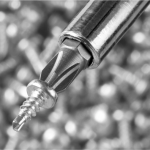
2. Screws
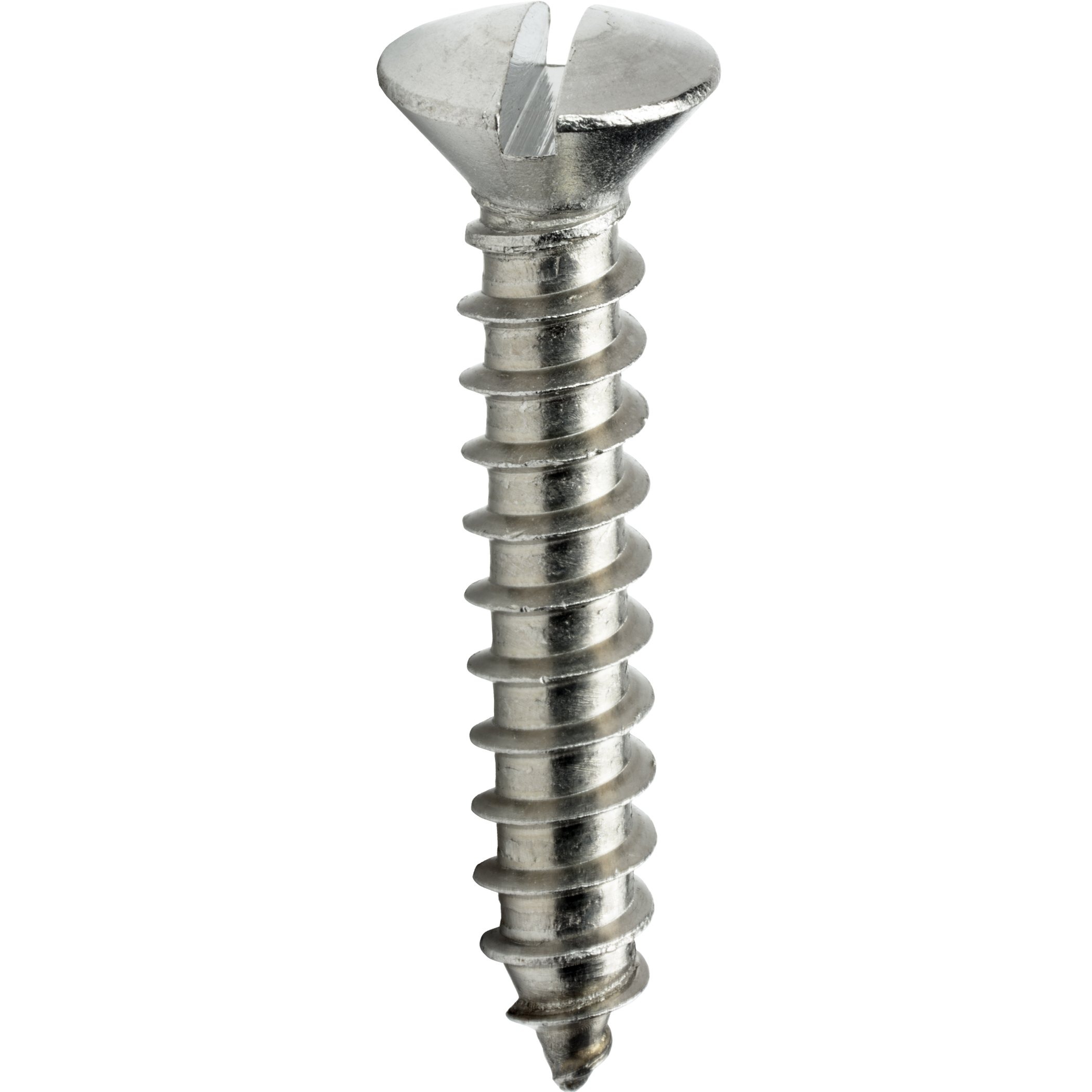
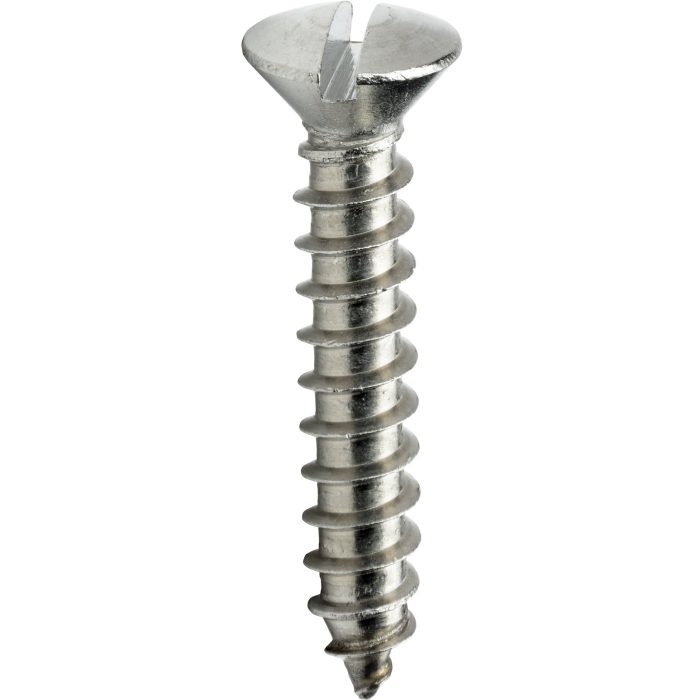
Screws are threaded fasteners that can be used in wood, metal, and plastic. They are easy to install and provide a firm grip, making them ideal for both industrial and domestic applications.
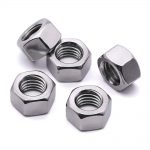
3. Nuts
Nuts are paired with bolts to secure components tightly. They help maintain the integrity of joints under stress and vibration.
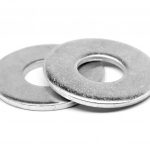
4. Washers
Washers are flat discs placed under nuts or bolts. They distribute load evenly and prevent damage to surfaces while reducing loosening caused by vibration.
5. Rivets
Rivets are permanent fasteners used in applications where welding is not feasible, such as aircraft, bridges, and heavy structures.
6. Anchors
Anchors are used to attach objects to concrete or masonry, making them essential in construction and infrastructure projects.
Materials Used in Steel Fasteners
Steel fasteners are manufactured using different types of steel depending on their intended application:
Carbon Steel: Known for high strength and cost-effectiveness
Stainless Steel: Offers excellent corrosion resistance, ideal for outdoor and marine use
Alloy Steel: Provides enhanced strength and durability for heavy-duty applications
These materials are often coated with zinc, chrome, or other finishes to improve corrosion resistance and performance.
Manufacturing Process of Steel Fasteners
At Swastik Industrial Works, advanced manufacturing techniques ensure high-quality production. The process typically involves:
1. Wire Drawing
Steel rods are drawn into wires of desired diameter for uniformity and precision.
2. Cold Heading
This process forms the head of the fastener using high-pressure dies, enhancing strength and structural integrity.
3. Thread Rolling
Threads are created to ensure secure fastening and improved load-bearing capacity.
4. Heat Treatment
Fasteners undergo heat treatment to increase hardness, strength, and durability.
5. Surface Coating
Coatings such as galvanization or plating are applied to prevent corrosion and extend lifespan.
Applications of Steel Fasteners
Steel fasteners are indispensable across various industries:
1. Construction Industry
Used in buildings, bridges, and infrastructure to ensure structural stability and safety.
2. Automotive Industry
Essential for assembling vehicles, engines, and components.
3. Manufacturing Sector
Used in machinery, equipment, and production lines to maintain operational efficiency.
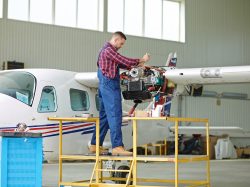
4. Aerospace Industry
High-strength fasteners are used in aircraft and spacecraft for safety-critical applications.
5. Oil & Gas Industry
Fasteners are used in pipelines, refineries, and offshore structures where durability is crucial.
Steel fasteners are vital because they provide mechanical strength, ensure safety, and allow easy maintenance and repairs.
Advantages of Steel Fasteners
Choosing steel fasteners offers numerous benefits:
High Strength: Capable of handling heavy loads and stress
Durability: Long-lasting even in harsh environments
Corrosion Resistance: Especially in stainless steel variants
Versatility: Suitable for a wide range of applications
Cost-Effective: Offers excellent value for long-term use
These advantages make steel fasteners a preferred choice across industries worldwide.
Why Choose Swastik Industrial Works?
When it comes to reliable fastening solutions, Swastik Industrial Works stands out for its commitment to quality and innovation. The company focuses on:
Manufacturing high-grade steel fasteners
Maintaining strict quality standards
Offering customized solutions for different industries
Ensuring timely delivery and customer satisfaction
With a strong emphasis on precision engineering, Swastik Industrial Works ensures that every fastener meets international standards and performs efficiently in demanding conditions.
Conclusion
Steel fasteners are the unsung heroes of modern engineering, providing the strength and reliability needed to hold structures and machinery together. From simple screws to heavy-duty bolts, their importance cannot be overstated.
With expertise, advanced manufacturing processes, and a commitment to excellence, Swastik Industrial Works delivers top-quality steel fasteners that cater to a wide range of industries. Whether you are working on a construction project, manufacturing unit, or industrial setup, choosing the right fasteners is essential—and Swastik Industrial Works is your trusted partner for durable and efficient solutions.