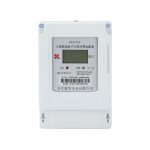
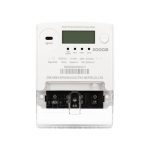
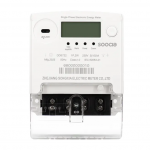
STS prepaid meter factory: The Supply Chain Behind a Utility Rollout
When a utility announces a prepaid metering rollout, the visible story is the technology—token vending, remote credit transfer, tamper detection. The less visible story is the factory that has to deliver thousands or hundreds of thousands of units on a schedule that the utility has already published to its customers. A STS prepaid meter factory operating in that environment is judged less on its product brochure and more on whether it can ship certified meters on time, in sequence, and with documentation that satisfies regulators.
Order patterns in this segment are uneven. A utility may place a pilot order of a few thousand units, then follow with a much larger tranche once the pilot clears. Factories that cannot scale quickly lose those follow-on contracts. This puts pressure on component planning: secure elements, metering ICs, relays, and communication modules often have lead times measured in months, and a shortage of any single item can stall an entire production line.
Component sourcing also carries a compliance dimension. Substituting a relay or current sensor without re-verifying meter accuracy can invalidate type approval. Factories therefore maintain approved vendor lists and document any change through engineering review. This slows procurement but protects certification, which is the asset that allows the factory to sell into regulated markets at all.
Production scheduling in a prepaid meter factory tends to be organized around batches rather than continuous flow. Each batch is linked to a utility order, a firmware version, and a calibration record set. Traceability systems tie serial numbers to test results, which allows the factory to isolate issues if a specific batch shows field problems. Utilities increasingly require this level of documentation during tender evaluation.
Shipping and installation support form a less discussed part of the business. Meters must arrive calibrated, undamaged, and ready for mounting. Packaging, moisture protection, and handling instructions affect field failure rates as much as internal build quality does. Some factories provide configuration services before shipment, loading utility-specific tariffs and vending parameters so that installation crews can mount and activate meters without additional programming steps.