The Role of Automotive Plastic Molding in Lightweight Materials and Fuel Efficiency
The Shift Towards Lightweight Materials
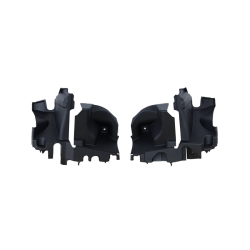
The demand for automotive plastic molding in lightweight applications is driven by the need to reduce a vehicle’s overall weight. Every pound of weight removed from a vehicle can lead to significant improvements in fuel efficiency, performance, and emissions. Lightweight materials, particularly carbon fiber-reinforced plastics (CFRP) and glass fiber composites, have become increasingly popular in the automotive sector due to their strength-to-weight ratio. These materials are ideal for various automotive components, such as body panels, interior parts, and structural elements.
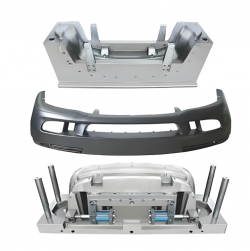
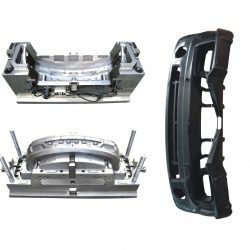
Automotive plastic molding technologies have evolved to accommodate the unique properties of these materials. The ability to mold carbon fiber and glass fiber composites into complex shapes with high precision is a key advantage. As these materials are often used in high-performance vehicles, precision molding ensures that each part is not only lightweight but also durable and strong enough to withstand the stresses of everyday use.
Impact on Vehicle Performance and Fuel Efficiency
The integration of lightweight materials through automotive plastic molding has a direct impact on a vehicle’s performance. With a reduction in weight, vehicles can accelerate faster, handle better, and achieve higher top speeds. Furthermore, the decrease in weight leads to improved fuel efficiency. Lighter vehicles require less energy to move, which translates into better miles per gallon (MPG) and reduced carbon emissions.