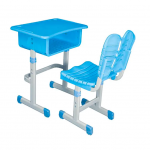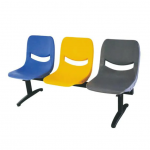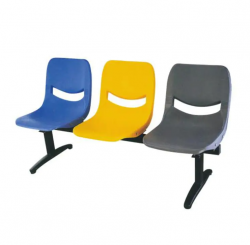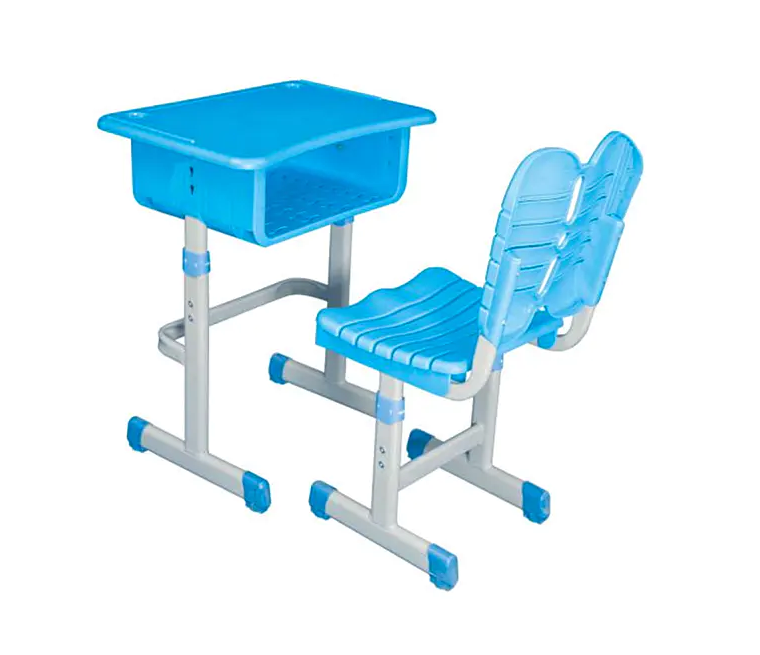
Thermosetting Chair Durability That Justifies Every Penny
Thermosetting plastics — unlike thermoplastic alternatives — undergo an irreversible chemical curing process during manufacture that creates a rigid, cross-linked molecular structure resistant to heat softening, chemical attack, and the surface crazing that affects cheaper plastic chairs under sustained UV and cleaning agent exposure. Impact resistance is among the most practically valuable properties of a thermosetting chair in school environments — the material absorbs knocks, drops, and the general physical contact that student furniture endures daily without cracking, deforming, or developing the stress fractures that eventually cause structural failure in alternative materials.
Stacking height capacity on a thermosetting chair design determines storage efficiency in multipurpose rooms and examination halls where large quantities need consolidating quickly between events — chairs stacking eight or ten high require significantly less floor and wall storage space than designs limited to four or five. Surface texture on a thermosetting chair seat and back panel affects both comfort and cleanability — smooth surfaces wipe down quickly after food spillage or marking, textured surfaces provide better friction for active students who would otherwise slide forward during lessons.