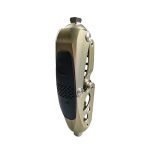
Upper limbs prosthetic myoelectric arm
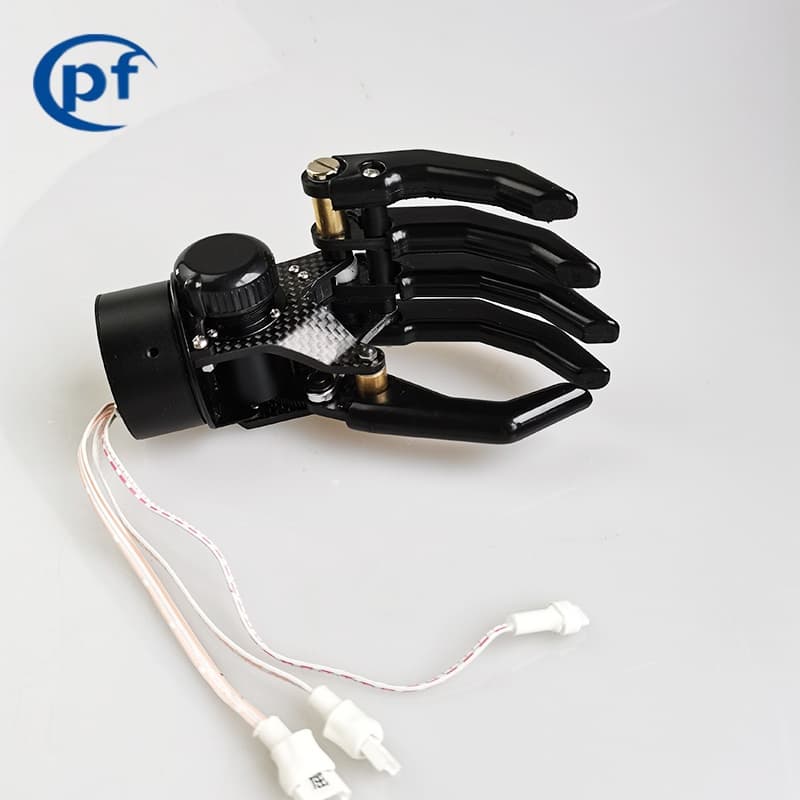
A Prosthetic Myoelectric Arm is a highly advanced artificial limb designed to restore function and movement to individuals with upper limb loss. It uses electrical signals from the user’s remaining muscles (myoelectric signals) to control the movement of the prosthetic hand, wrist, and sometimes even the elbow.
How It Works
Myoelectric Sensors: Small electrodes are placed on the skin over residual muscles.Signal Detection: When the user flexes or contracts their muscles, the sensors detect electrical activity.Processor Control: These signals are processed by a microcontroller that translates them into movement.Motor Activation: The arm’s internal motors then move the fingers, wrist, or elbow based on the user’s intent.
Benefits
Increased independence in daily activities (eating, grooming, typing, etc.).More intuitive control than mechanical or body-powered arms.Improved cosmetic appearance.Minimal physical strain to operate.
Functions:
Actions of fingers are controlled by myoelectricity.Wrist joint can rotate passively and self-lock at any position.Suitable for middle and short stumps of arm.Optional for 3 or 5 fingers
A prosthetic hand is an artificial device designed to replace a missing hand or part of a hand. It aims to restore some level of functionality, appearance, and comfort for individuals who have lost their natural hand due to injury, congenital conditions, or other reasons.